




Cutting Through The Noise: What Is The Right Pet Food For My Pet









LET’S GET SOCIAL


Cutting Through The Noise: What Is The Right Pet Food For My Pet
Fly toward the good stuff, skip the fluff, and have fun building a year your pets will love as much as you do!
Written by: Jack The Macaw
Feeding Pets in 2026: Cutting Through the Noise
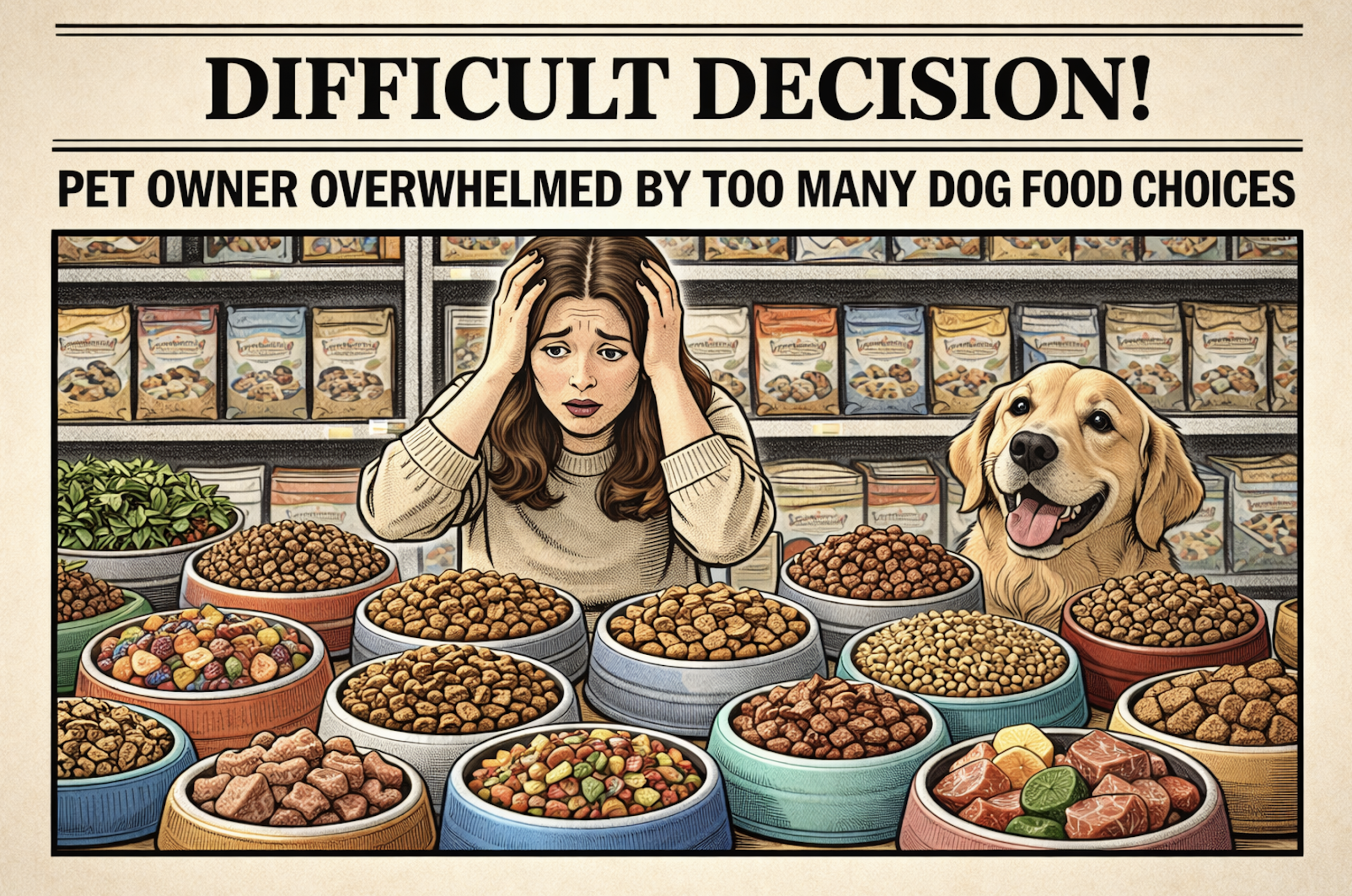
Feeding pets right in 2026 comes with more pressure than ever before. With endless options fresh, raw, freeze-dried, air-dried, homemade, slow-cooked, kibble, grain-free, ancient grains, and everything in between it’s no wonder pet parents feel overwhelmed. Every format claims to be the best answer. The reality, however, is far simpler: the best pet food isn’t about chasing the trendiest option, it’s about consistent nutrition, quality ingredients, and how your pet responds over time.
One of the most important pieces of this conversation often gets lost in the noise. AAFCO, the Association of American Feed Control Officials, plays a critical role in setting nutritional standards for pet food. According to Brian Burke, Vice President of Pet Food Operations at Simmons Foods, every food they manufacture from kibble to canned to home-style formats meets AAFCO standards. That means the nutritional foundations are in place across formats, giving pet owners legitimate, safe options rather than a single “right” answer.
Our interpretation of this matters. Foods that meet AAFCO standards have their bases covered when it comes to balanced nutrients, protein, fats, and essential vitamins and minerals pets require. This doesn’t mean homemade food is off the table, but it does explain why AAFCO-certified foods remain a reliable anchor for many households. For pet parents who want quality nutrition without becoming full-time diet formulators, looking for foods that meet these standards is a smart place to start.
At the same time, we are absolutely seeing more pet parents cook for their pets, build meal plans, and genuinely try to understand what goes into a healthy diet including treats. Much like the rise of homemade baby food, some go all in, others make changes to address specific health needs, and some simply want to stay current with what feels like the “right” way to feed their pets. The motivation varies, but the intention is clear: better food, better care.
What many pet owners don’t always realize is that pets have nutritional needs very different from people — and dogs and cats differ from one another as well. Pets need precise balances of protein, fats, grains, vitamins, and minerals. While real ingredients feel comforting, they must be paired correctly. A bowl of lean chicken breast may look healthy, but without the right balance, pets can miss essential nutrients. Just like people food, what looks wholesome on the plate isn’t always nutritionally complete.
This is where the idea of “real food” deserves clarification. Real food for pets doesn’t always look like what we eat. In fact, ingredients many humans shy away from — liver, heart, connective tissue — are often far more nutritionally appropriate for pets than lean cuts alone. The growing “farm-to-bowl” movement reflects this shift, moving pets away from table scraps and toward intentionally prepared meals designed specifically for their needs.
Kibble also deserves a fair seat at the table. Despite what social media might suggest, kibble is not obsolete, and it isn’t automatically unhealthy. High-quality dry foods that meet AAFCO standards are carefully formulated to deliver complete nutrition, and many pets thrive on them. Kibble remains practical for travel, bulk purchasing, cost management, and reducing packaging waste compared to single-serve containers. Manufacturers like Simmons Foods continue to produce a wide range of options — dry, wet, and home-style — under strict nutritional guidelines, offering consistency that matters, especially for new pet owners finding their footing.
Instead of asking, “Is kibble bad?” the better question is, “What’s actually in this food?” The same rule we use for our own kitchens applies here. Read the ingredient list. Real proteins should lead. Fats should serve a purpose. Vague fillers and overly processed ingredients should raise questions. Beautiful packaging and persuasive marketing don’t replace thoughtful formulation.
What we’re noticing most is that pet parents are growing tired of guilt-based marketing. The constant suggestion that you’re failing your pet unless you buy the most expensive option is wearing thin. Healthy doesn’t have to mean boutique, exclusive, or unattainable. Some mass-market brands continue to rank highly not because they’re trendy, but because they’re proven. Popular doesn’t always mean bad, sometimes it simply means reliable.
In the end, the best pet food is the one your pet enjoys, digests comfortably, and thrives on. Shiny coats, steady energy, good digestion, and fewer vet concerns are the real indicators of success. Whether that comes from a thoughtfully chosen kibble, a fresh food subscription, a home-cooked rotation, or a mix of approaches, legitimacy lies in outcomes, not trends.
As we head into 2026, we see a welcome shift toward calmer, more confident feeding decisions. Less panic. Less brand-bashing. More label-reading. More listening to pets. More balance. And honestly, that may be the healthiest trend of all.

Juliette is a passionate food writer with a taste for pet-friendly cuisine, specializing in gourmet pet treats, bakery goods, and DIY pet food stations. Her articles explore the latest trends in pet treats, uncovering unique pet food artisans and sharing delicious recipes that delight both pets and their owners.
10 Steps to Choosing the Right Food for Your Pet
Selecting the right food is one of the most important decisions you make for your pet’s health, longevity, and daily happiness. With countless options on store shelves and online, knowing where to begin can feel overwhelming. These expert-backed steps will help you start smart and choose with confidence.
1. Start with Your Veterinarian’s Guidance
Veterinarians understand your pet’s health history, weight, and medical needs. Start with your puppies first appointment opening up a food discussion. For rescue pups, bring this up at the first appointment to come up with a good starting point. Cover these points if you feel your pet has allergies, digestive issues, weight concerns, or chronic health conditions.
Vets often confirm: Life stage nutrition is essential | Certain breeds benefit from specific formulas | Medical conditions require tailored diets
2. Consider Age & Life Stage First
Nutritional needs change over time. It is important to start with pet age guidelines and adjust based on your pet’s activity levels, development, and digestive system. Choosing the correct life-stage formula is the foundation of good nutrition.
Puppies & kittens → growth & brain development | Adult pets → maintenance & energy balance | Seniors → joint support & weight management
3. Evaluate Activity Level & Lifestyle
Different breeds enjoy different activity levels, play, and fitness needs. Dogs that require a lot of activity, but are unable to get enough may put on weight or pets that spend all their time indoors enjoy a much more relaxing lifestyle, but also need less food to maintain. An active hiking companion has different needs than a couch-loving lap cat.
High activity → higher protein & calories | Moderate activity → balanced nutrition | Low activity → weight-control formulas
4. Learn to Read Ingredient Labels
The first ingredients matter most when reading pet food labels. If you don’t know what the ingredient is, it is worth doing the research to ensure it is a healthy option for your pet. While pet food is regulated, there are still better ingredient recipes to choose from. Some pet foods also add coloring or flavoring to mask making them a less advantageous choice. Be cautious of vague terms like “meat meal” without species identification.
Look for: Real named proteins (chicken, salmon, turkey) | Whole-food ingredients | Clearly listed nutrients
5. Understand Protein and Fat Needs
Understanding the balance of protein and fats is essential to supporting your pet’s overall health and vitality. Protein plays a critical role in muscle development, tissue repair, immune support, and sustained energy, making it especially important for active dogs. Cats, as obligate carnivores, rely more heavily on dietary fats for energy, skin and coat health, and nutrient absorption. While lean options like chicken breast provide high-quality protein, they are very low in fat and may not supply the full range of nutrients pets need when fed alone. Providing a balanced diet that includes appropriate protein and healthy fats helps ensure optimal energy, healthy weight, and long-term wellness for both dogs and cats.
Dogs and cats thrive on diets where quality protein is a primary ingredient.
Cats, as obligate carnivores, require higher animal-based protein.
6. Decide Between Dry, Wet, Fresh, or Mixed Feeding
Choosing between dry, fresh, wet, or combination feeding can feel overwhelming amid today’s pet food marketing storm. Brands highlight the benefits of fresh, frozen, small-batch, or function-focused formulas, often implying other options are less desirable. In reality, each type of food offers valuable advantages, and the “best” choice is the one that works for your pet and your household. A food may be nutrient-rich and thoughtfully formulated, but if your pet won’t eat it, doesn’t digest it well, is difficult to store, or strains your budget, it may not be the right fit.
Start with the fundamentals: will your pet willingly eat what is served, do they digest it comfortably, does it provide steady energy for play and rest, and is it practical and affordable to maintain long term. Dry foods offer convenience and dental benefits, wet foods provide moisture and palatability, fresh options emphasize whole ingredients, and combination feeding can balance taste, hydration, and cost. The goal is not to chase trends but to find a balanced approach that supports your pet’s health, routine, and happiness every day.
Each option has benefits and considerations:
Dry food
- convenient & cost effective
- supports dental health
- easy to store with longer shelf-life
- wide variety of brands and flavors
- wide variety across pet ages, breeds, and flavor combinations
- best option for pets on the go
- generally the least expensive option
- less packaging waste
Wet food
- hydration support
- often more palatable
- beneficial for pets with teeth and eating issues
- may require refrigeration
- shorter self-life
- min-priced pet food option
- generates packaging waste
Fresh or gently cooked
- minimally processed
- high digestibility
- must be kept frozen or refrigerated
- shorter shelf-life
- more expensive pet food option
Mixed feeding
- combines benefits and variety
- helps pets to be flexible across feeding options
- alternative for pets who get bored with repetitive meals
Many veterinarians support combination feeding for balance and flexibility
7. Watch for Food Sensitivities or Allergies
Detecting pet food sensitivities and allergies is not always an easy thing to do. Often stomach and digestive issues focus on illness or ‘something’ they ate, but not often to the foods they are eating. Many pets have become gluten intolerant, sensitive to certain fillers, or react to certain ingredients. Nailing the culprit down can be a chore as you cannot simply remove an ingredient from your pet’s food to test. When trying different foods watch for the following food sensitivities or allergies and stop feeding them if any of these symptoms arise. Choose limited ingredient pet foods or prepare single food meals until you discover the cause.
Watch for: itching or skin irritation | digestive upset | ear infections | excessive licking or chewing paws
8. Transition Foods Gradually
When a new pet food option sounds like a good fit for our pets, be cautious in switching too quickly as it may cause upset digestion. Add a small portion of the new food to your pet’s current food and monitor the reaction, continue for a few days to make a successful transition.
Recommended transition schedule for a new pet food:
Day 1–2: 75% old food / 25% new
Day 3–4: 50% old / 50% new
Day 5–6: 25% old / 75% new
Day 7+: 100% new food
9. Monitor Energy, Coat, and Digestion
The best indicator of proper nutrition is your pet’s overall condition. While breed, age, and daily activity all influence health, the type of food, portion size, and feeding schedule play a critical role in supporting long-term wellness. Pay close attention to your pet’s coat and skin, bright clear eyes, healthy weight, energy level, and stool quality, these visible signs help confirm that their diet is providing the nourishment it should.
Healthy signs include: shiny coat | steady energy | healthy weight | normal stools | bright eyes
10. Start Simple & Adjust as Needed
Let’s begin by saying that with all our research, that there is not what we would consider a ‘perfect pet food,’ in fact all pet foods must meet minimal standards. What we do know is that a lot of care and thought has gone into improving and expanding pet food options providing a broader set of options for pet owners. We suggest starting with puppy and kitten food formulas and once they reach 12 months, transition them slowly into the pet food you have chosen based on your research. If you find they are not responding well, transition back to the original food and wait to try the next food. Transitions with pet food are longer than with people.
What Veterinarians Commonly Recommend
While needs vary, veterinarians often emphasize: complete & balanced nutrition | reputable brands with quality control | appropriate calorie intake | diets tailored to life stage & health needs | avoiding sudden diet changes
Keep these in mind:
gather veterinarian recommendations – keep in mind that most veterinarians have their personal favorites or sell certain brands through their offices
choose reputable brands – brands offered online only, through veterinarians, through boutique pet shops, or through mass retailers all must meet basic pet food manufacturer standards, it is important to do your research with new brands.
life-stage appropriate formulas – much work has been done to create life-stage appropriate formulas for puppies and kittens through to aging pets. Each stage offering the best nutrition for each stage in life.
So where should you start?
decide your monthly pet food budget range
consider dry, wet, or mixed food options
ask your veterinarian for 2–3 recommendations
verify the best daily food schedule and quantity
do your own research through AI, google, and general search keeping in mind that each brand markets themselves as the best.
based on recommendations and research, choose a high-quality, life-stage appropriate food
monitor your pet’s response both while eating and after
change can be difficult for some pets, adjust gradually if needed
Wild Love Tails Insight
Choosing the right food isn’t about chasing trends, it’s about finding what helps your pet feel their best every day. When nutrition supports energy, comfort, and longevity, you’ll see the difference in every wag, stretch, and contented nap. Whether using AI, Google search, or doing your own online research, keep in mind that every brand is working hard to tell you how good they are. You want to navigate through the ads, look for consumer feedback, brand recommendations from more than one source, and review the brand’s mission and story to know who and where your are buying from.
WILD LOVE TAILS GUIDE TO CHOOSING THE RIGHT DOG FOOD
With the help of AI and our research we put these handy charts together. We didn’t taste the food and dogs do not yet speak, so a copulation of informations will help you curated through the noise. None of the brands included in the following charts paid to be included and Wild Love Tails nor any of our team members are associated with any of these brands. That is not to say we do not purchase a range of these products for our pets. We do however have affiliate programs with some of the brands and we may receive a small percentage of the sale if you choose to make a purchase, but our goal is not to gain commission, it is to help you narrow down your pet food options.
Prepared & Fresh Dog Food Comparison Chart
Prepared Small Batch & Fresh Dog Foods are best for ingredient-conscious owners, pets that require a special diet, and picky eaters. Each of these brands developed their dog food offering to meet the need for voids in the pet food market from fresh cooked dog food to use of high quality ingredients. Fresh food can improve palatability and digestibility but still requires proper formulation and storage. Often the most expensive option, the portions must be frozen, defrosted, or refrigerated to maintain their quality. There are also some membership requirements, but many offer an option to try the food first.
| Brand | Cost | Prep Style | Ingredients | Made In | Shelf Life | Taste | Nutrition | Vet Use | Best For | Considerations |
|---|---|---|---|---|---|---|---|---|---|---|
| The Farmer’s Dog | 🐾🐾🐾🐾 | Fresh cooked | ⭐⭐⭐⭐⭐ | USA | refrigerate / freeze | ⭐⭐⭐⭐⭐ | ⭐⭐⭐⭐⭐ | often | picky eaters, digestion | premium cost |
| Nom Nom | 🐾🐾🐾🐾 | Fresh cooked | ⭐⭐⭐⭐⭐ | USA | refrigerate / freeze | ⭐⭐⭐⭐⭐ | ⭐⭐⭐⭐⭐ | often | gut health | subscription |
| Ollie | 🐾🐾🐾🐾 | Fresh cooked | ⭐⭐⭐⭐⭐ | USA | refrigerate / freeze | ⭐⭐⭐⭐ | ⭐⭐⭐⭐ | often | convenience | freezer space |
| JustFoodForDogs | 🐾🐾🐾🐾🐾 | Fresh & Rx | ⭐⭐⭐⭐⭐ | USA kitchens | refrigerate / freeze | ⭐⭐⭐⭐ | ⭐⭐⭐⭐⭐ | yes | therapeutic diets | highest cost |
| Spot & Tango | 🐾🐾🐾🐾 | Fresh & air-dried | ⭐⭐⭐⭐⭐ | USA | pantry + fresh | ⭐⭐⭐⭐ | ⭐⭐⭐⭐ | emerging | flexibility | storage planning |
| Freshpet | 🐾🐾🐾 | Fresh refrigerated | ⭐⭐⭐⭐ | USA | refrigerated | ⭐⭐⭐⭐ | ⭐⭐⭐⭐ | situational | retail access | not customized |
| PetPlate | 🐾🐾🐾🐾 | Fresh cooked | ⭐⭐⭐⭐⭐ | USA | refrigerate / freeze | ⭐⭐⭐⭐ | ⭐⭐⭐⭐ | often | allergy support | subscription |
| A Pup Above | 🐾🐾🐾🐾 | Sous-vide fresh | ⭐⭐⭐⭐⭐ | USA | refrigerate / freeze | ⭐⭐⭐⭐ | ⭐⭐⭐⭐ | growing | whole foods | limited retail |
| Your Pet’s Kitchen | 🐾🐾🐾 | Prepared homestyle meals | ⭐⭐⭐⭐ | USA | pantry stable | ⭐⭐⭐⭐ | ⭐⭐⭐⭐ | situational | convenience + real food nutrition | not customized |
Science-Based & Veterinarian Offered Dog Food Comparison Chart
Veterinarians frequently recommend and offer brands such as Purina, Hill’s, Royal Canin, and Iams because of their research, feeding trials, and nutritional expertise. Hill’s Science Diet is often ranked among top vet picks due to evidence-based formulation and quality control.
| Brand | Cost | Research Backing | Nutrition Strength | Taste | Vet Recommendation | Best For | Considerations |
|---|---|---|---|---|---|---|---|
| Hill’s Science Diet | 🐾🐾🐾 | ⭐⭐⭐⭐⭐ | ⭐⭐⭐⭐⭐ | ⭐⭐⭐⭐ | very high | medical & life stages | less “whole food” appeal |
| Royal Canin | 🐾🐾🐾🐾 | ⭐⭐⭐⭐⭐ | ⭐⭐⭐⭐⭐ | ⭐⭐⭐⭐ | very high | breed & medical diets | premium pricing |
| Purina Pro Plan | 🐾🐾 | ⭐⭐⭐⭐⭐ | ⭐⭐⭐⭐⭐ | ⭐⭐⭐⭐⭐ | very high | performance & sensitive stomach | ingredient perception debates |
| Eukanuba | 🐾🐾 | ⭐⭐⭐⭐ | ⭐⭐⭐⭐ | ⭐⭐⭐⭐ | high | active & working dogs | fewer specialty diets |
| Iams | 🐾 | ⭐⭐⭐ | ⭐⭐⭐ | ⭐⭐⭐ | moderate | budget nutrition | limited advanced formulas |
Premium Natural & Boutique Brands Dog Food Comparison Chart
Premium natural dog food brands are often chosen by pet parents seeking elevated ingredient quality, recognizable proteins, and thoughtfully formulated recipes that support overall wellness. These brands emerged to bridge the gap between traditional grocery options and fresh-prepared diets, offering dry and wet foods made with higher-quality ingredients, fewer artificial additives, and specialized options such as grain-free, limited ingredient, or high-protein recipes. While premium formulas can improve palatability and may be helpful for dogs with sensitivities or ingredient preferences, they must still be properly formulated to provide complete and balanced nutrition. Most are shelf-stable and easy to store, making them more convenient than fresh diets while delivering an upgrade in ingredient transparency and quality. Typically priced in the mid-to-premium range, they offer an accessible step up for households seeking better nutrition without the storage requirements or subscription commitments associated with fresh or frozen meal plans.
| Brand | Cost | Ingredient Integrity | Protein Quality | Popularity | Best For | Considerations |
|---|---|---|---|---|---|---|
| Blue Buffalo | 🐾🐾🐾 | ⭐⭐⭐⭐ | high | ⭐⭐⭐⭐⭐ | natural upgrade from grocery brands | rich formulas for some dogs |
| Wellness | 🐾🐾🐾 | ⭐⭐⭐⭐ | high | ⭐⭐⭐⭐ | balanced nutrition | mid-premium price |
| Merrick | 🐾🐾🐾🐾 | ⭐⭐⭐⭐ | high | ⭐⭐⭐⭐ | high protein diets | calorie dense |
| Nutro | 🐾🐾🐾 | ⭐⭐⭐⭐ | high | ⭐⭐⭐ | limited ingredient options | fewer specialty lines |
| Open Farm | 🐾🐾🐾🐾 | ⭐⭐⭐⭐⭐ | ethically sourced | ⭐⭐⭐⭐ | sustainability & transparency | premium pricing |
| The Honest Kitchen | 🐾🐾🐾🐾 | ⭐⭐⭐⭐⭐ | whole food | ⭐⭐⭐⭐ | dehydrated whole foods | prep required |
Everyday Nutrition Brands Dog Food Comparison Chart
Everyday nutrition dog food brands are widely available, value-priced, and formulated to meet established nutritional standards designed to support dogs through all life stages. Produced at scale with consistent quality control and regulatory oversight, these foods are required to meet complete and balanced nutrition guidelines, making them a dependable option for millions of pets. While they may not emphasize boutique ingredients or whole-food marketing trends, what sets them apart is their affordability, accessibility, and long history of feeding trials, safety protocols, and manufacturing consistency. For many households, these brands provide reliable nutrition that fits real-life budgets, storage needs, and feeding routines, making them a practical and responsible choice when a dog eats well, digests comfortably, and maintains healthy energy, weight, and coat condition. When it comes to nationwide brands, it should be noted that the lower prices are often attributed to volume manufacturing and the ability to source quality goods, for more affordable options.
| Brand | Cost | Availability | Nutrition | Taste | Vet Acceptance | Best For | Considerations |
|---|---|---|---|---|---|---|---|
| Purina ONE | 🐾 | nationwide | ⭐⭐⭐⭐ | ⭐⭐⭐⭐ | widely accepted | dependable nutrition | less premium ingredients |
| Pedigree | 🐾 | nationwide | ⭐⭐⭐ | ⭐⭐⭐ | moderate | budget households | fillers in some formulas |
| Kibbles ‘n Bits | 🐾 | nationwide | ⭐⭐ | ⭐⭐⭐ | low | lowest cost feeding | highly processed |
| A Strong Heart | 🐾 | nationwide | ⭐⭐⭐⭐ | ⭐⭐⭐⭐ | moderate | affordable reliability | individually packaged |
| Beneful | 🐾 | nationwide | ⭐⭐⭐ | ⭐⭐⭐⭐ | moderate | palatable budget option | contains additives |
| Ol’ Roy (Wal-Mart) | 🐾 | nationwide | ⭐⭐⭐⭐ | ⭐⭐⭐⭐ | moderate | value and quality | most sold dog food |
It is our goal to help you narrow down your food options and help you navigate to the right choice for your pet’s. Our shops provide a range of prepared pet-food options, a Pet Pantry Shop filled with pet-friendly ingredients, and even a Pet Cookbook Shop where you can find the perfect recipes if you decide making your own pet food is the best decision for your household.
EXPLORE OUR PET FOOD AND PANTRY SHOPS



CHOOSE WHERE YOU WANT TO GO NEXT!

OR GET TO KNOW US BETTER