
Dog Bowl by Type Shop
Dog Bowl by Type Shop
A place to help you find the right bowl for your dog’s needs.
How Our Shop Works
Welcome! Here's How Our Shop Works
Welcome to a new way to shop online! One where you decide where to go, how to get there, and what you want to explore. We make it as easy and enjoyable as possible.
You're in one of our thoughtfully merchandised shops! Each shop is filled with organized, curated, and unique collections of products, ideas, and inspiration. Browse at your own pace, discover something new, and when you find something you love, we'll take you directly to one of our e-commerce partners to learn more or make a purchase.
- FETCH What You're Looking For: You're already in a shop! Tell FETCH what you're looking for, and we'll guide you to the most relevant places on this page. Want to explore somewhere new? Use the magnifying glass at the top of any page to FETCH another shop.
- Scroll & Explore: Browse this shop just as you would your favorite online store or app. Explore collections, discover brands, and click on anything that catches your eye to learn more or shop with one of our retail partners.
- Visit Our Information Center: Curious about who we are? Meet our team, learn how our site works, and discover our mission to make online shopping more enjoyable.
- Explore Our Pet Community: There's more to Wild Love Tails than shopping! Discover helpful blogs, pet-loving stories, fresh ideas, and ways to be part of our growing community.
Make yourself at home. Browse first, learn along the way, and enjoy discovering!
Before You Buy
Stainless Steel Bowls: A practical choice for almost every breed. Durable, easy to clean, and generally dishwasher-safe, stainless steel is especially good for everyday feeding, messy eaters, and active dogs.
Ceramic Bowls: A stylish option for dogs of all sizes. Their weight helps prevent sliding and tipping, making them especially useful for enthusiastic eaters. Look for food-safe, lead-free glazes and avoid chipped or cracked bowls.
Slow-Feeder Bowls: Designed with ridges and patterns that encourage dogs to eat more slowly. Great for enthusiastic eaters, including Labradors, Golden Retrievers, and other dogs that tend to gulp their food.
Elevated Bowls: Raised feeders may be more comfortable for some senior dogs or pets with mobility challenges. They're not necessary for every dog, and large, deep-chested breeds may need special consideration because elevated feeding has been associated with increased bloat risk in some dogs.
Shallow & Wide Bowls: Often a good choice for flat-faced breeds like French Bulldogs, Pugs, and Boston Terriers. A wider, shallower design can make food easier to reach without crowding their faces or whiskers.
Specialty & Travel Bowls: Collapsible silicone bowls are convenient for walks and travel, while nonslip, weighted, and spill-resistant bowls help keep feeding areas tidy. Choose a size appropriate for your dog's meals and water needs.
Electric Water Bowls: For pets who enjoy their outdoor water when it gets chilly day and night, use an electric bowl to keep water as fresh as possible.
One More Tip: Whatever style you choose, prioritize easy cleaning, safe materials, and the right size for your dog. Food and water bowls should be washed regularly, ideally daily.
Things You Might Want To Know
The right dog bowl can make mealtime easier, cleaner, and more comfortable for your pet. From the shape and size to the material and placement, a few simple choices can make a surprising difference.
-
Start by Watching Your Dog Eat. Does your dog gulp food, push the bowl around, spill water, or struggle to reach the bottom? Your dog's eating habits are often the best clues to finding the right bowl.
-
Stainless Steel Is a Great All-Around Choice. Durable, easy to sanitize, and resistant to scratches, stainless steel is a favorite among veterinarians. Ceramic bowls can be equally attractive for your home, but choose food-safe finishes and check regularly for chips or cracks.
-
The Shape Matters More Than You Think. Flat-faced breeds like Bulldogs and Pugs may find wide, shallow bowls easier to eat from. Long-eared breeds like Cocker Spaniels may benefit from narrower bowls that help keep their ears out of food and water.
-
Try the Mealtime Test. Place your dog's regular portion in a new bowl and watch how comfortably they eat. Can they reach all the food without struggling? Does the bowl slide, tip, or make them nervous? A good bowl should feel natural to use.
-
Fast Eaters May Need a Different Approach. Slow-feeder bowls use ridges and patterns to encourage smaller bites and a slower pace. Start with a simple design and make sure your dog can comfortably reach the food. Slow feeders aren't proven to prevent bloat.
-
Raised Bowls Aren't for Every Dog. Elevated feeders may be helpful for certain dogs with mobility or medical challenges, but they aren't automatically better for large breeds. Some research has linked elevated feeding with increased bloat risk in susceptible dogs, so ask your veterinarian before making the switch.
-
Keep the Feeding Area Clean and Comfortable. A non-slip mat, washable feeding station, or designated kitchen corner can help contain spills while creating an attractive space for your pet. Wash food bowls after meals and water bowls daily.
One Last Tip: Don't overlook your dog's water bowl! Choose one that holds plenty of fresh water, stays securely in place, and is easy to clean. Having an additional water station near your dog's favorite resting area or outside during supervised play can encourage convenient access to water.
What can we help you find in this shop?

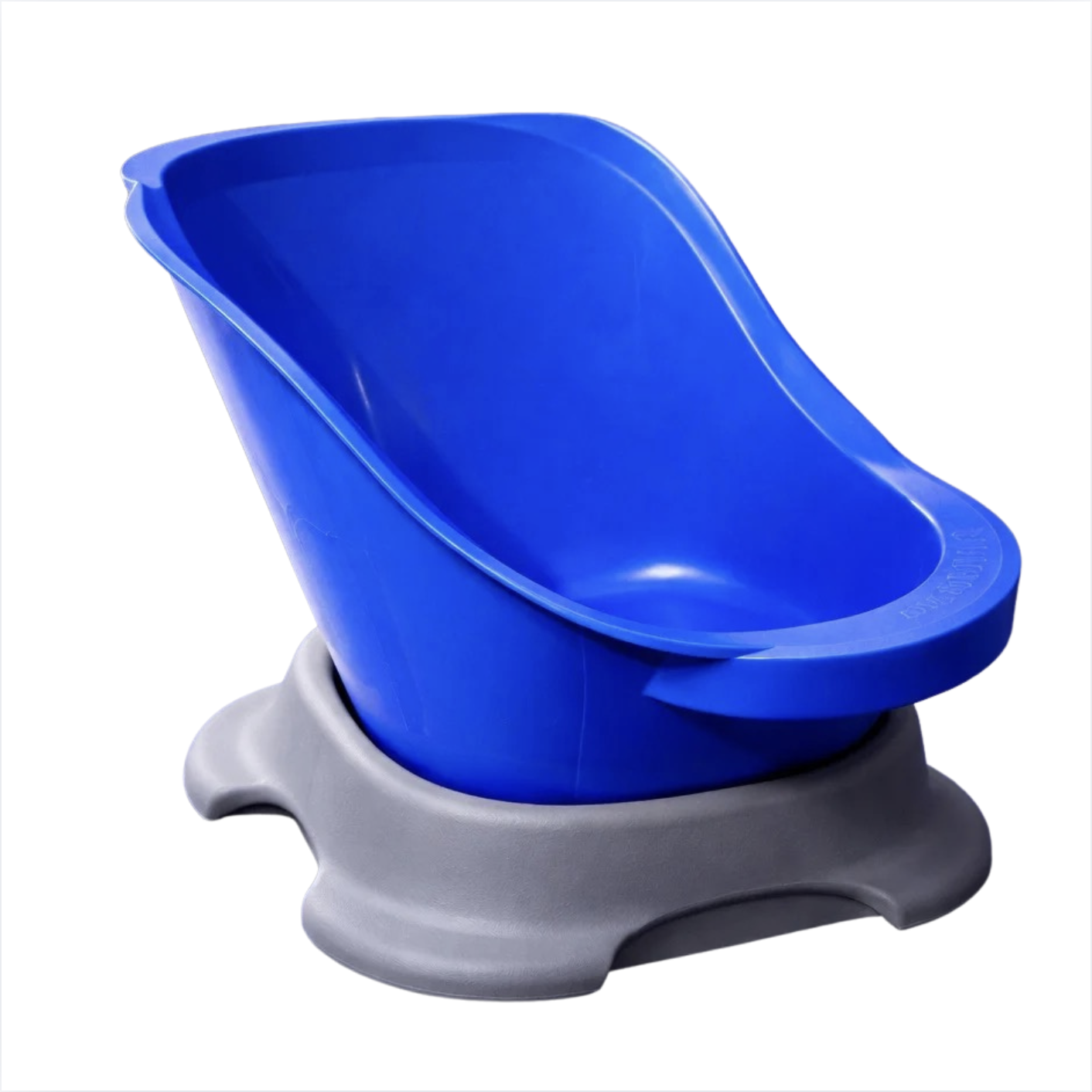
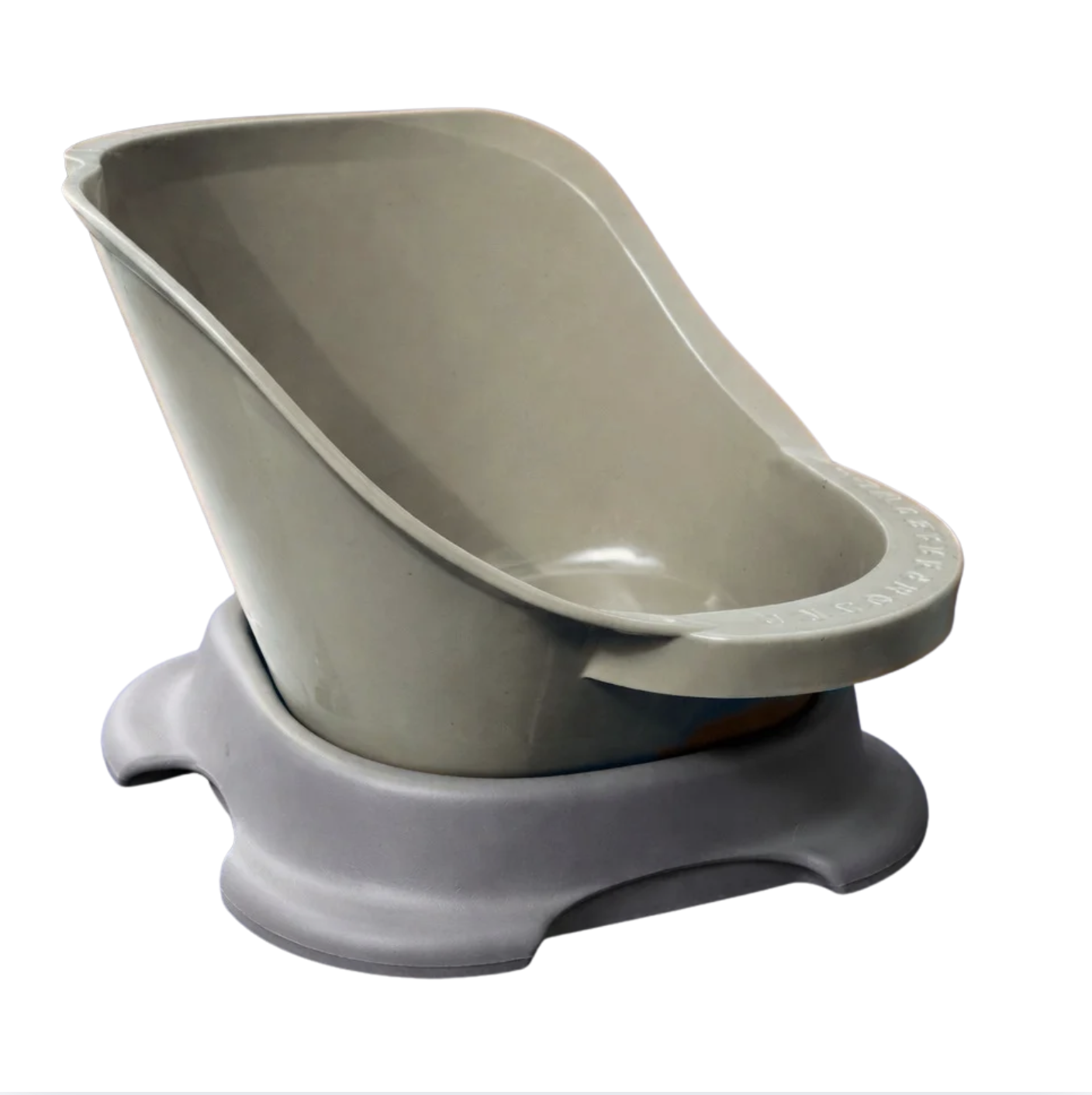
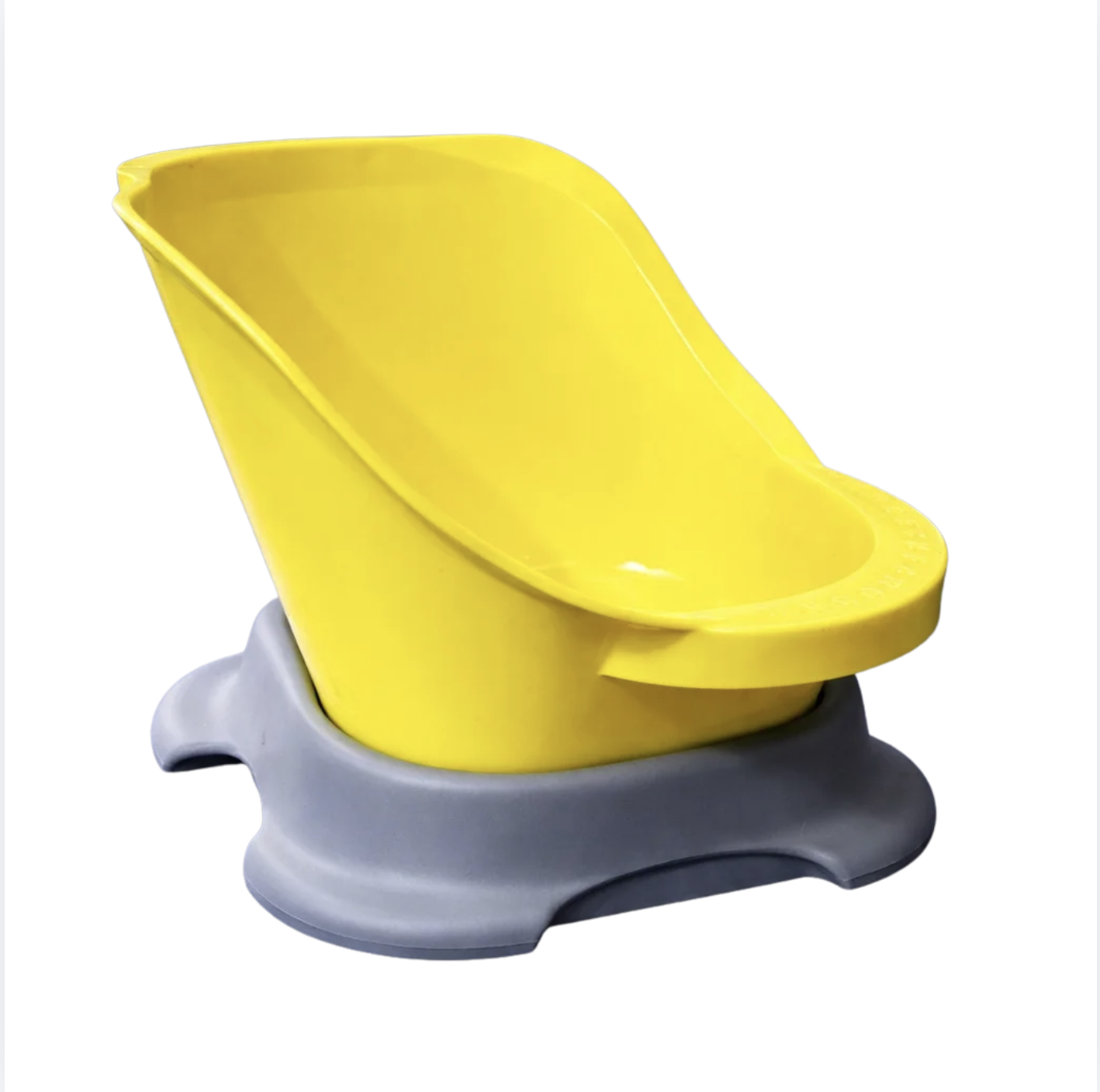
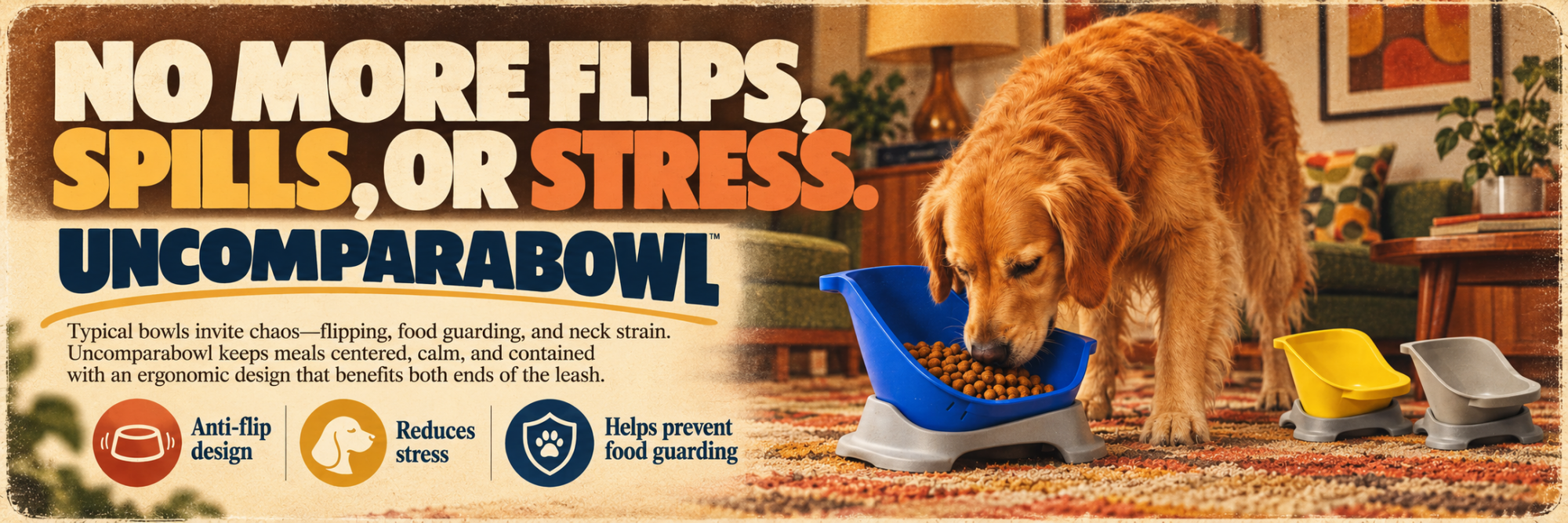
Slanted Dog Bowls
Slanted or tilted dog bowls are a great option for pets who struggle with digestive issues or vomit after eating. Dog breeds that have trouble eating down will benefit from a slated option. This style may also help older pups who struggle to raise head to eat. This is also a terrific choice for messy eaters, busy eaters and pets that devour their food faster than they should.


Stainless Steel Dog Bowls
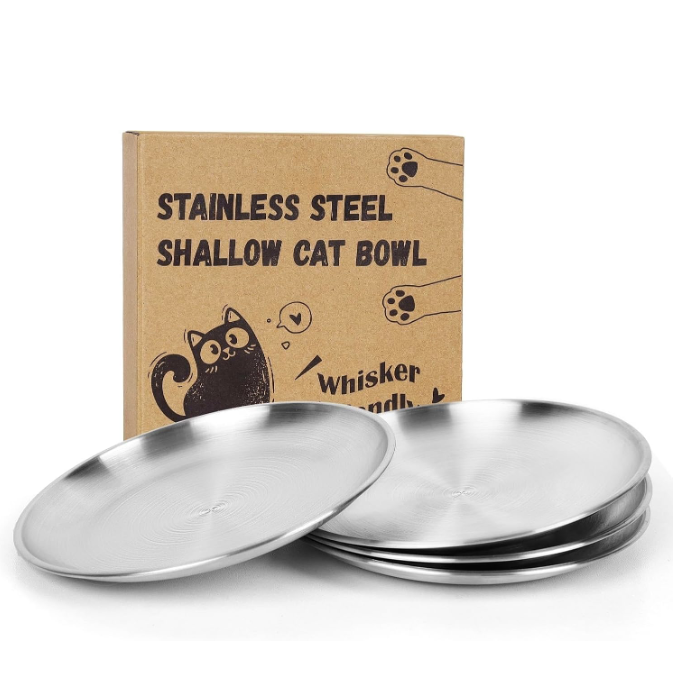
Stainless steel is often the recommended pet bowl material, but it also is easy to clean, strong, and a good choice for most dog breeds. For pets who enjoy chewing or biting their bowls, this is an obvious choice, but for pets who excessively drool, are messy eaters, or you just like the clean look, choosing this metal pet bowl option is smart.


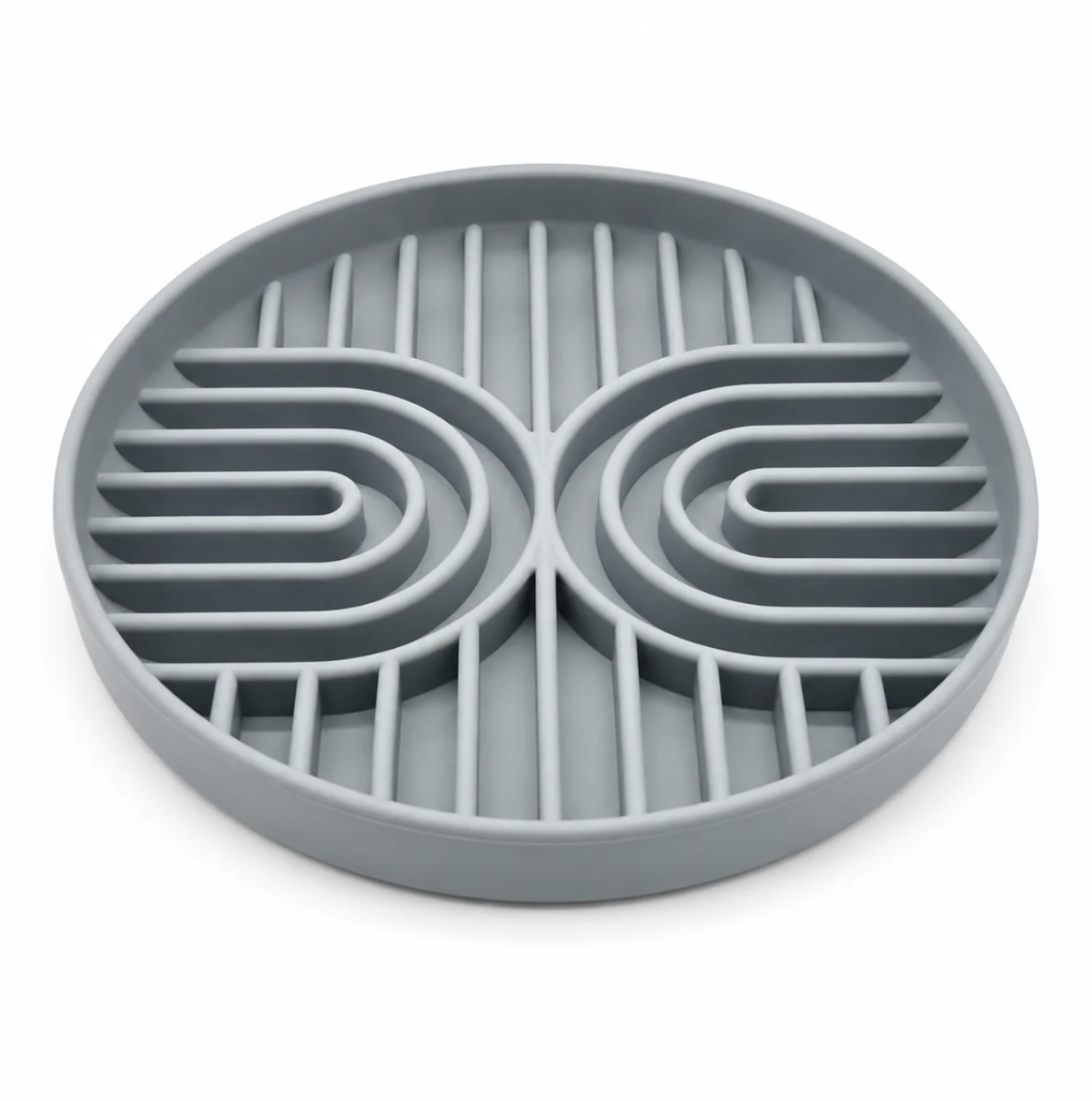
Slow Feed Divided Dog Bowls
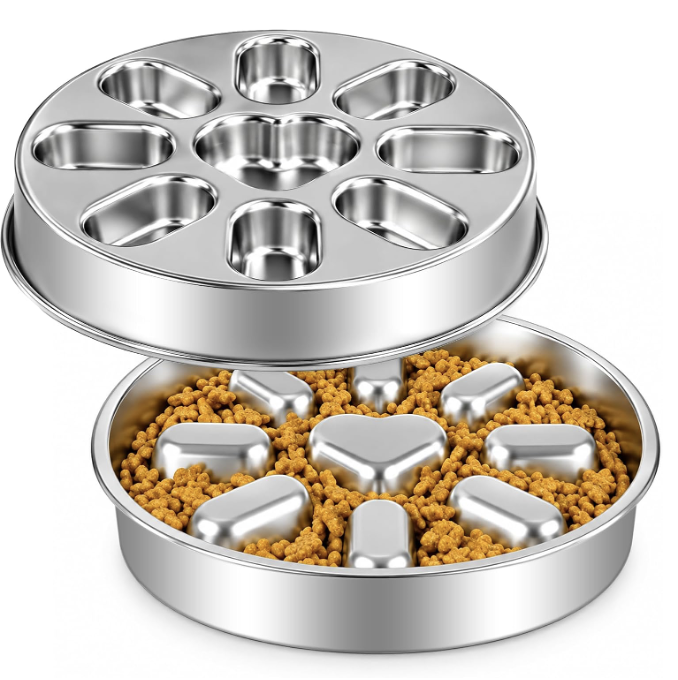
Try a slow feed divided dog bowls ideal for multiple purposes and designed to improve your dog’s mealtime experience. Beneficial for dogs that tend to eat too quickly, suffer from digestive issues, or need portion control. Often portioned by divided inserts or as part of the design, each compartment required the pup to eat one section at a time. Adding a smaller amount to each section also can reduce the amount of food you feed your pet, while allowing them a longer time to enjoy their food. Some dogs get bored so quickly that the scarf their food and want more, a divided bowl actually will stimulate a dog mentally. For some pups that eat too fast, they cannot digest their food properly and a divided bowl will help them out. Make sure to choose a bowl that is easy to wash, made of sturdy materials, and is the right size for your pet’s breed.


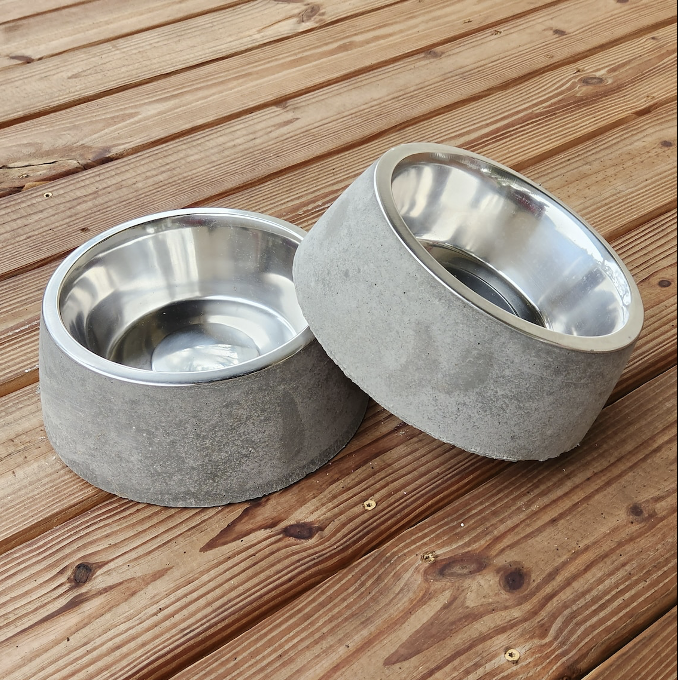
Non-Slip and Non-Flip Dog Bowls | Concrete | Weighted | Heavy |
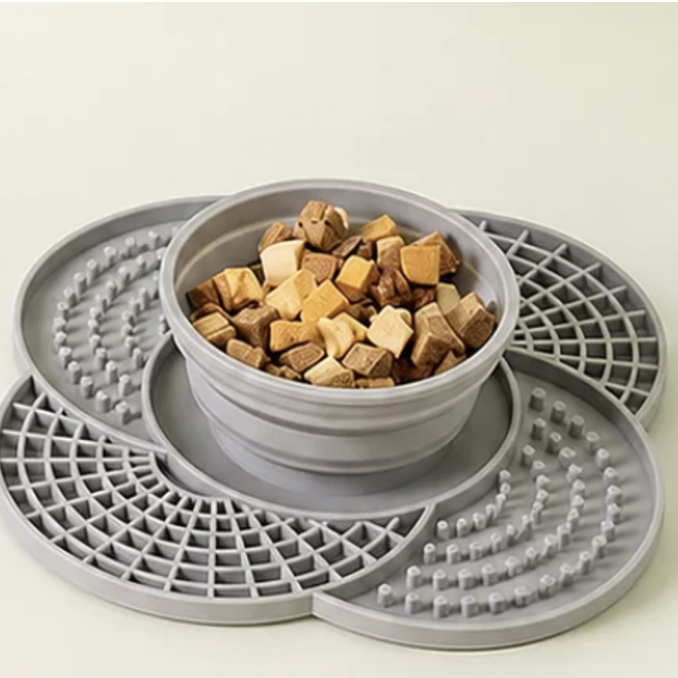
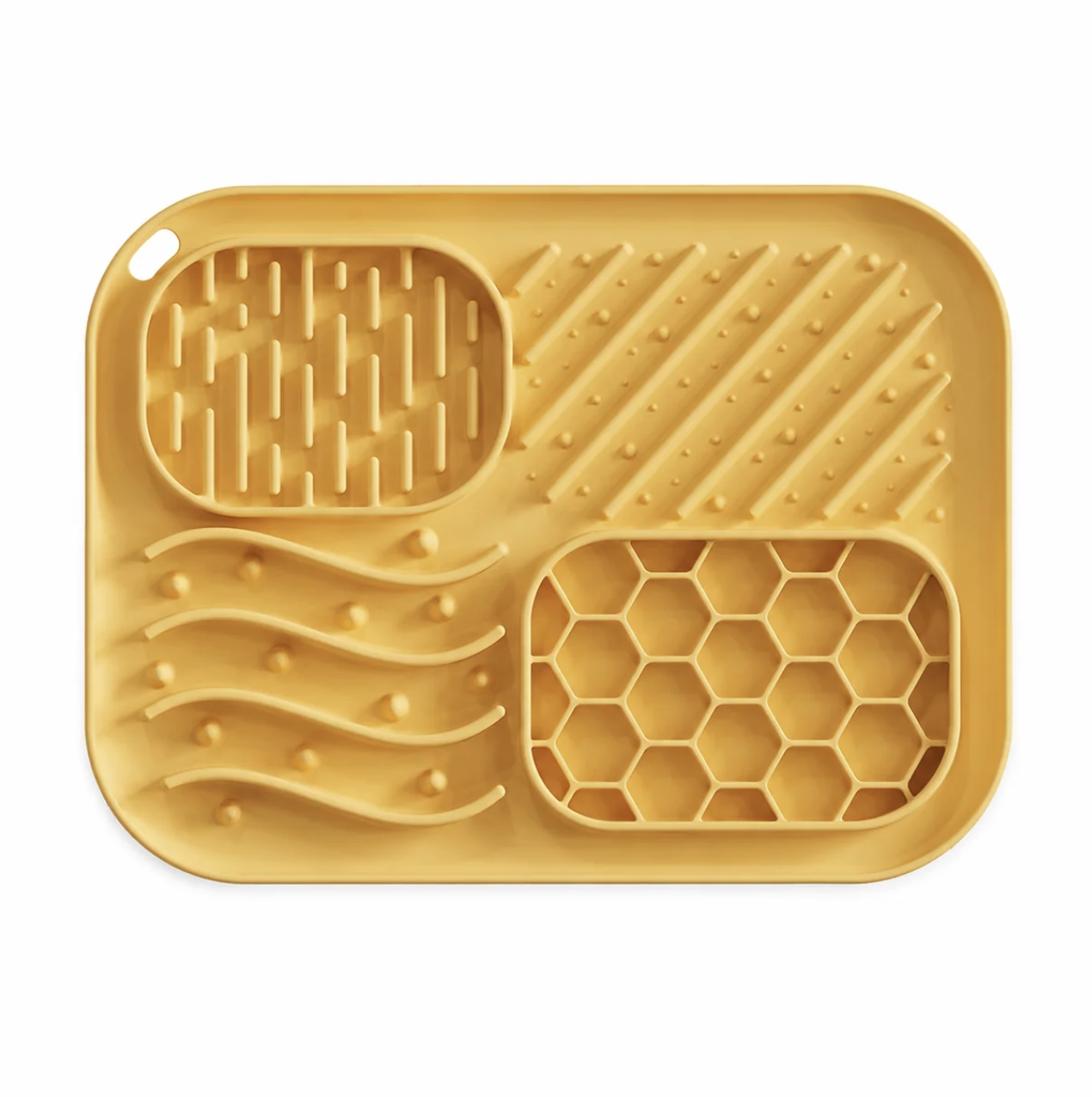
For pups who are a little rambunctious when they dine, try a non-slip bowl that is designed with a rubber base, balanced to not flip or move, or a heavy bowl that will stay in place. This will reduce messes around pet food stations, allow your pet to drink plenty of water or eat their entire portion and will provide your dog with a better dining experience.


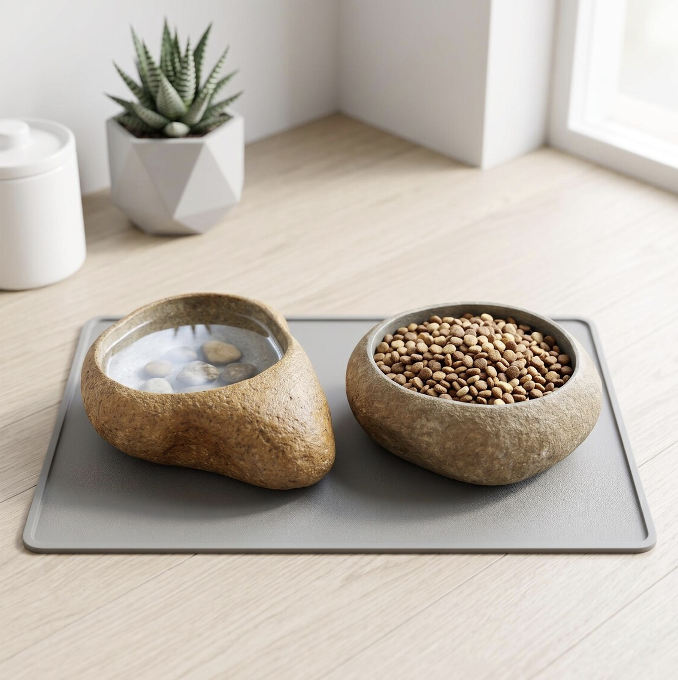
Elevated Dog Bowls – Tall Dog Bowls | Dog Bowls On Stand | Adjustable Height Bowl
Elevated dog bowls, also known as raised dog bowls or raised feeders, can be beneficial for certain dog breeds and specific situations. While they are not necessary for all dogs, they can offer advantages for some breeds and conditions. Tall, large and giant dog breeds such as Great Danes, Saint Bernards and Mastiff benefit from elevated dog bowls for enjoyment and to protect their neck and back. Consider a raised dog bowl for older dogs who have trouble bending to reach their food and water. Brachycephalic dog breeds with flat faces, such as Bulldogs, Pugs, and Shih Tzus, may find it easier to eat from elevated bowls because it can help reduce the risk of gulping air while eating, which can lead to digestive issues. Elevated go bowls may help pups with digestive issues and are a great option before trying medicines or a procedure.


Gravity Fed Dog Bowls
Gravity fed food and water dog bowls are ideal for pups who drink a lot of water, are able to control their food intake and when refilling pet food and water during the day is not an option.


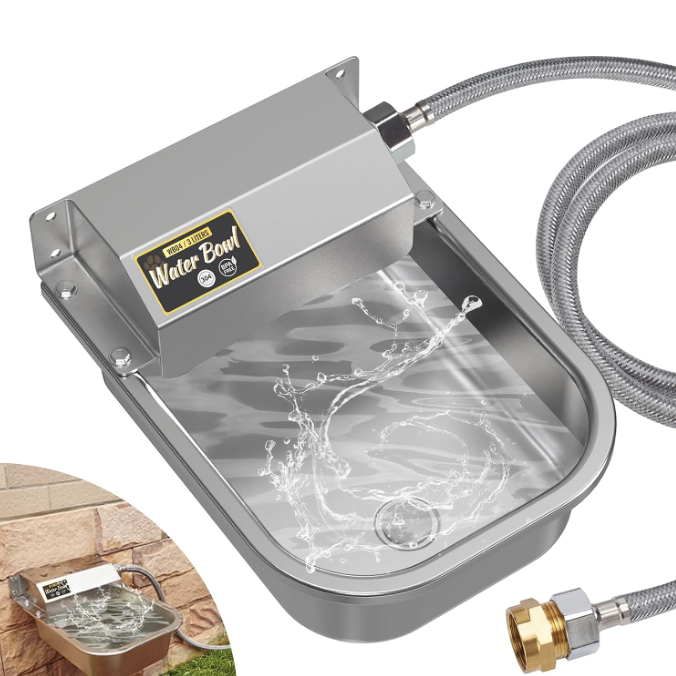
Insulated and Electric Dog Bowls
Pups who enjoy cool water will benefit from an insulated pet bowl. They are also helpful at the cabin, campsite or RV in cold temperatures to keep water from freezing.


CHOOSE WHERE YOU WANT TO GO NEXT!
OR GET TO KNOW US BETTER