

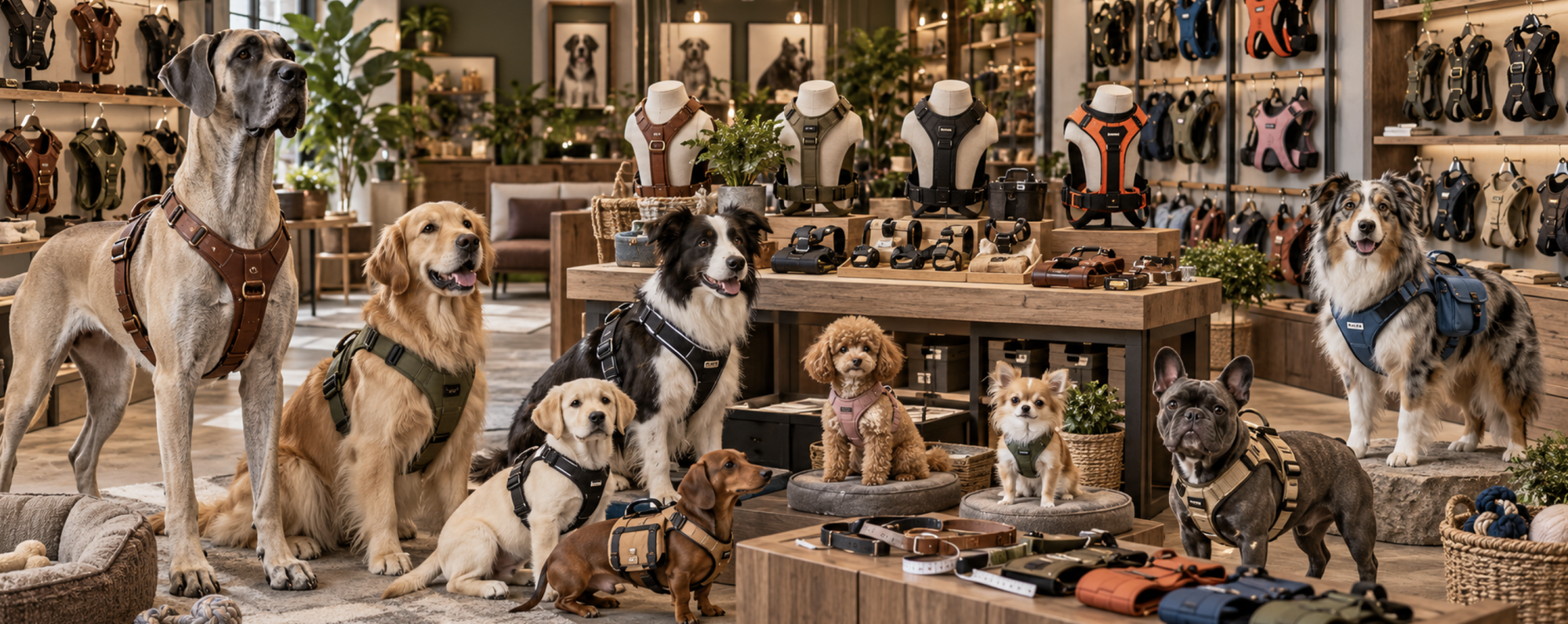
Pet Harness Shop
A collection of pet harnesses perfect for dogs and cats of all shapes and sizes.
How Our Shop Works
Welcome! Here's How Our Shop Works
Welcome to a new way to shop online! One where you decide where to go, how to get there, and what you want to explore. We make it as easy and enjoyable as possible.
You're in one of our thoughtfully merchandised shops! Each shop is filled with organized, curated, and unique collections of products, ideas, and inspiration. Browse at your own pace, discover something new, and when you find something you love, we'll take you directly to one of our e-commerce partners to learn more or make a purchase.
- FETCH What You're Looking For: You're already in a shop! Tell FETCH what you're looking for, and we'll guide you to the most relevant places on this page. Want to explore somewhere new? Use the magnifying glass at the top of any page to FETCH another shop.
- Scroll & Explore: Browse this shop just as you would your favorite online store or app. Explore collections, discover brands, and click on anything that catches your eye to learn more or shop with one of our retail partners.
- Visit Our Information Center: Curious about who we are? Meet our team, learn how our site works, and discover our mission to make online shopping more enjoyable.
- Explore Our Pet Community: There's more to Wild Love Tails than shopping! Discover helpful blogs, pet-loving stories, fresh ideas, and ways to be part of our growing community.
Make yourself at home. Browse first, learn along the way, and enjoy discovering!
Before You Buy: A Pet Harness
-
Measure Before You Shop: Measure the widest part of your dog's chest, just behind the front legs, and compare it with the manufacturer's sizing chart.
-
Think About Visibility: Choose bright colors or reflective materials for early morning, evening, or nighttime walks.
-
Look for Adjustability: Select a harness with adjustable straps to ensure a comfortable, secure fit without rubbing or restricting movement.
-
Consider Your Dog's Body Type: Look for harnesses designed for your dog's breed, build, and proportions. One style doesn't fit every dog!
-
Choose Easy-Care Materials: For playful, active dogs, washable fabrics or easy-to-clean leather make maintenance much simpler.
-
Match the Harness to Your Activities: Everyday walks, hiking, running, and training may call for different harness designs and leash attachment points.
Things You Might Not Know About Pet Harnesses
Pet Harness Safety & Expert Tips
A well-fitted harness can make walks safer, more comfortable, and easier to manage. But not all harnesses are created equal, and choosing the right one can make a big difference for your pet.
-
Why a Harness Instead of a Collar? Harnesses distribute pressure across the chest and body rather than concentrating it on the neck. They can be especially helpful for small breeds, dogs prone to tracheal problems, and enthusiastic walkers who tend to pull.
-
Watch for Rubbing and Chafing. A harness that's too tight or poorly positioned can irritate the skin, especially behind the front legs. Check for redness, hair loss, or rubbing after walks.
-
A Harness Shouldn't Restrict Movement. Some designs cross over the shoulders and may interfere with a dog's natural stride. Look for a design that allows comfortable, unrestricted movement.
-
Escape Artists Need Extra Attention. Some dogs can back right out of a harness! For nervous dogs or escape-prone breeds, consider a secure, escape-resistant design with an additional body strap. Always test the fit before heading outdoors.
-
Front Clip or Back Clip? Back-clip harnesses are popular for everyday walks, while front-clip designs may help redirect dogs that pull. Neither replaces proper leash training, and some dogs benefit from a dual-clip option.
-
Remove Harnesses When Appropriate. Unless designed for extended wear, harnesses are generally best removed after walks. Leaving one on unattended can cause rubbing or create a snagging hazard during play or rest.
One Last Tip: Check your pet's harness regularly. Puppies grow, weight changes, and straps loosen over time. A harness that fit perfectly last month may need adjusting today.
What can we help you find in this shop?

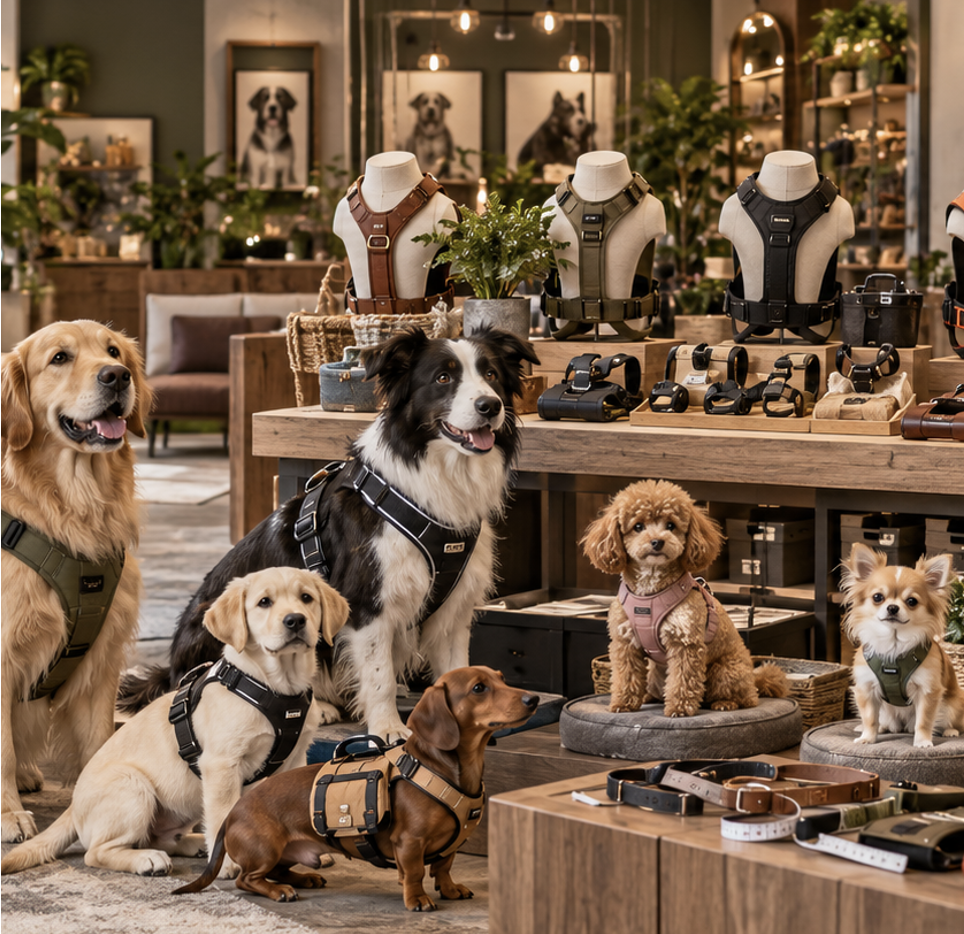
How To Measure Your Pet For Their Harness
For most dog harnesses, you will want to take three main measurements, plus your pet’s weight as a backup reference:
- Chest girth – The most important measurement. Wrap a soft tape around the widest part of the rib cage, usually just behind the front legs.
- Neck circumference – Measure around the lower part of the neck where the harness will sit, not high up where a collar normally rests.
- Back/chest length – For harnesses with longer body panels, measure from the base of the neck to the point where the harness should end along the back or chest.
- Weight – Helpful for checking the manufacturer’s size chart, but don’t choose a harness by weight alone.
For a good fit, you should generally be able to slide two fingers comfortably between the harness and your dog’s body. When you fit your pet and make adjustments, the harness should be snug enough that your pet cannot back out of it, but not so tight that it restricts movement, breathing, or rubs behind the front legs. If you pet falls between sizes, use the manufacturer’s sizing instructions for best results, chest girth usually matters most.
Tiny Pet Harnesses: Puppy Harness | Kitten Harness | Rabbit Harness | Chicken Harness | Lizard Harness
Teacup and extra-small pet harnesses are designed for tiny dog breeds, including Chihuahuas, Yorkshire Terriers (Yorkie), Toy Poodles, Pomeranians, Maltese, Papillons, and Miniature Pinschers, as well as cats, kittens, rabbits, ferrets, and some other small pets. Explore lightweight, adjustable, soft-mesh, step-in, vest-style, and escape-resistant harnesses with gentle support, secure closures, and leash attachments. Choose a harness based on your pet’s chest measurements, body shape, comfort, and species-specific needs rather than size alone.

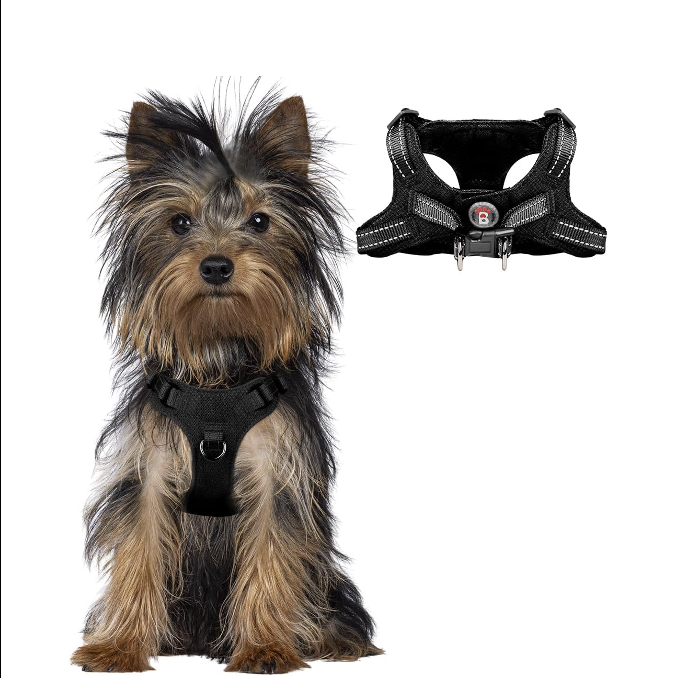
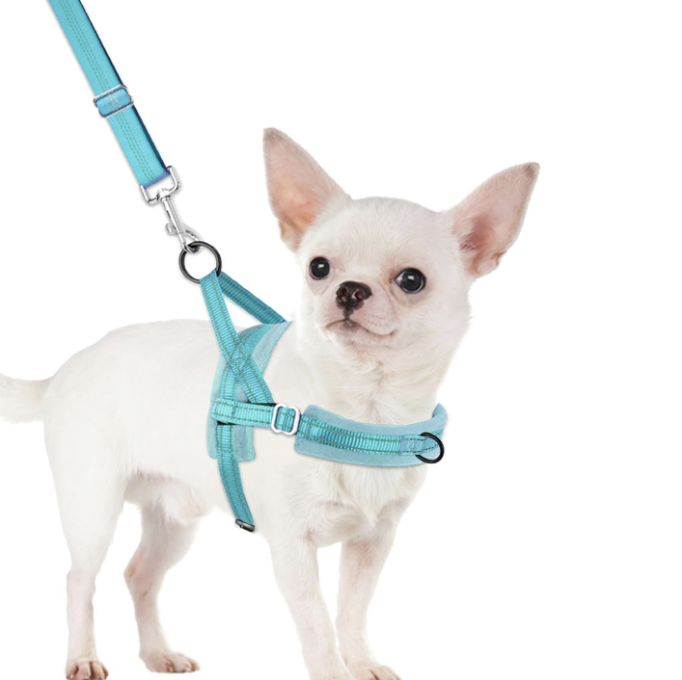


Small Pet Harnesses | Small Breed | Puppy Harness | Cat Harness
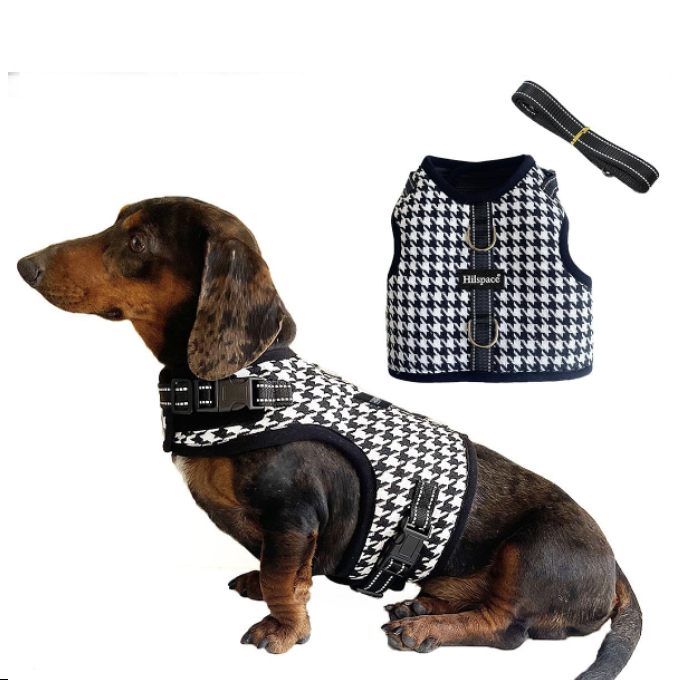
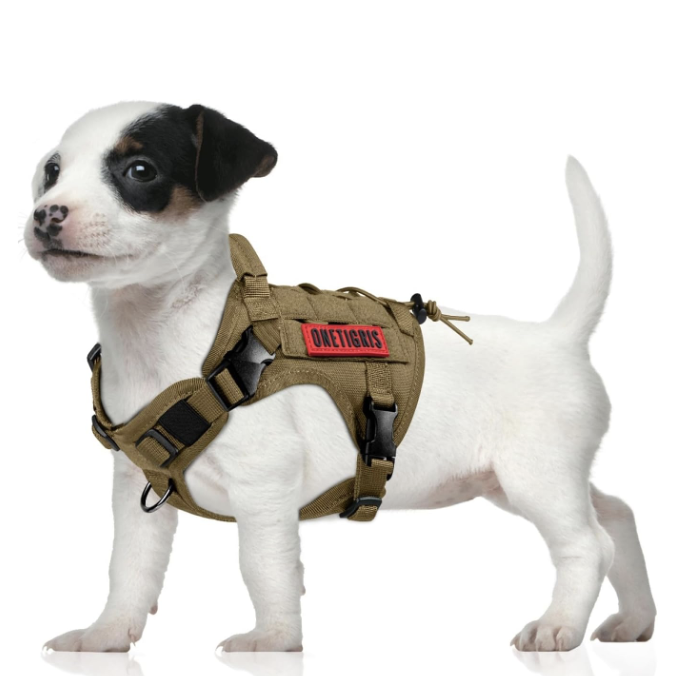
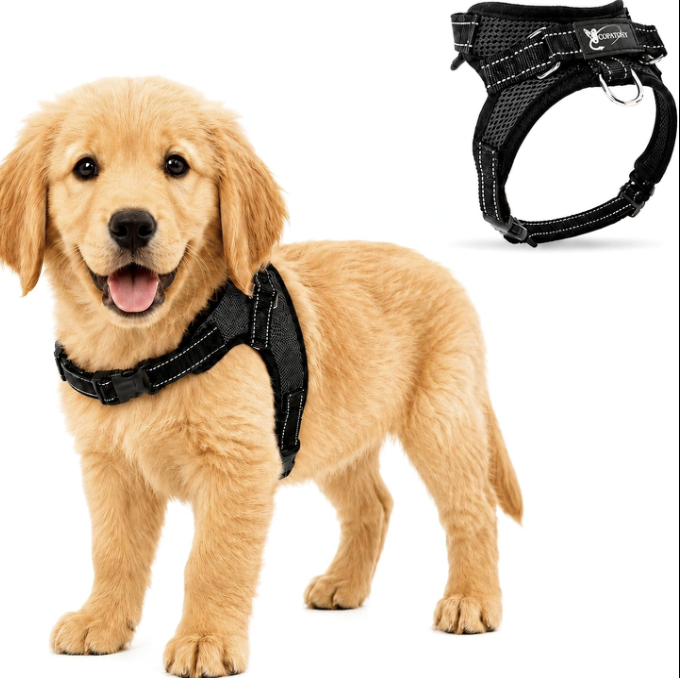
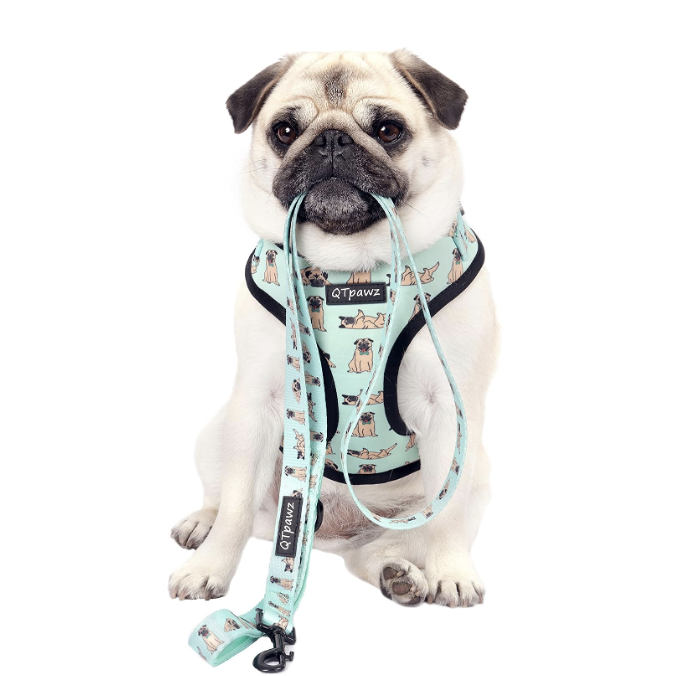
Small dog harnesses are designed for breeds including Dachshunds, Miniature Schnauzers, Boston Terriers, Pugs, Shih Tzus, Miniature Poodles, Cavalier King Charles Spaniels, and Jack Russell Terriers. Explore adjustable, padded, no-pull, step-in, vest-style, and lightweight harnesses with soft, breathable materials, secure closures, and reflective details. Choose a harness based on your dog’s chest measurements, body shape, and activity level, with special attention to long-backed, short-legged, and broad-chested breeds for a comfortable, secure fit.




Medium Pet Harnesses: Medium Dog Breed Harness | Large Cat Harness
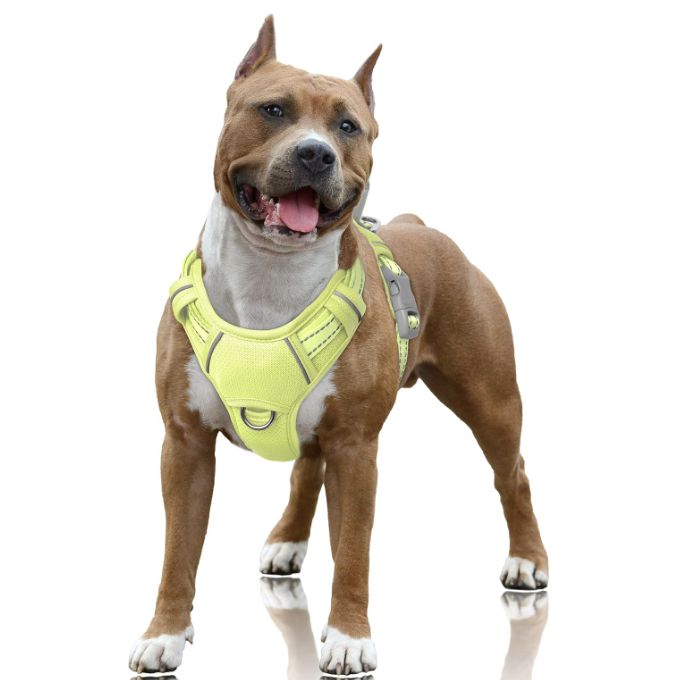
Medium dog harnesses are designed for breeds including Beagles, Cocker Spaniels, Border Collies, Australian Shepherds, Brittany Spaniels, English Springer Spaniels, Shiba Inus, and Staffordshire Bull Terriers. Explore adjustable, padded, no-pull, step-in, and escape-resistant harnesses with breathable materials, sturdy hardware, and reflective details. Choose a harness based on your dog’s chest measurements, body shape, activity level, and walking habits, with special consideration for active, muscular, or deep-chested breeds.

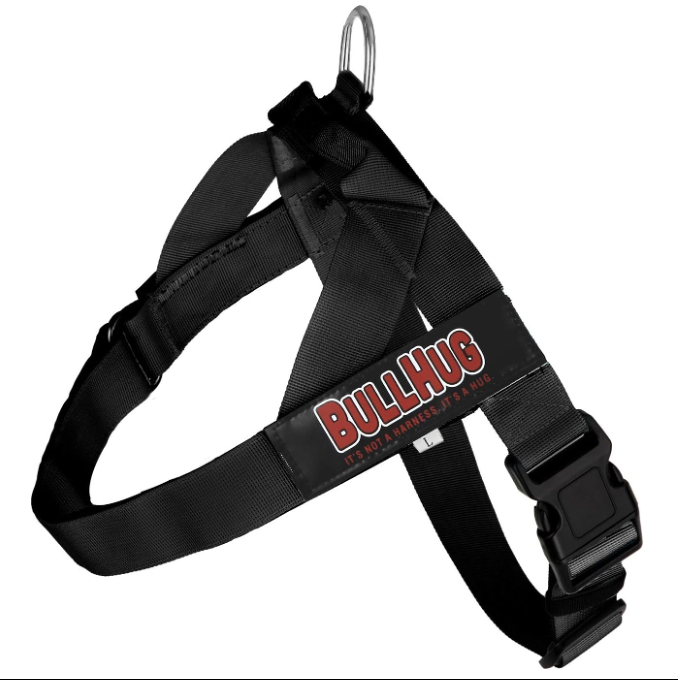

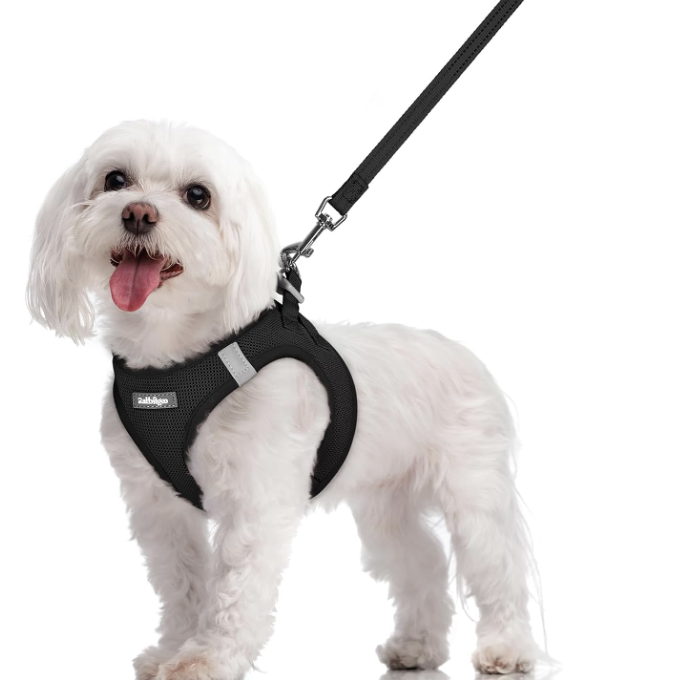

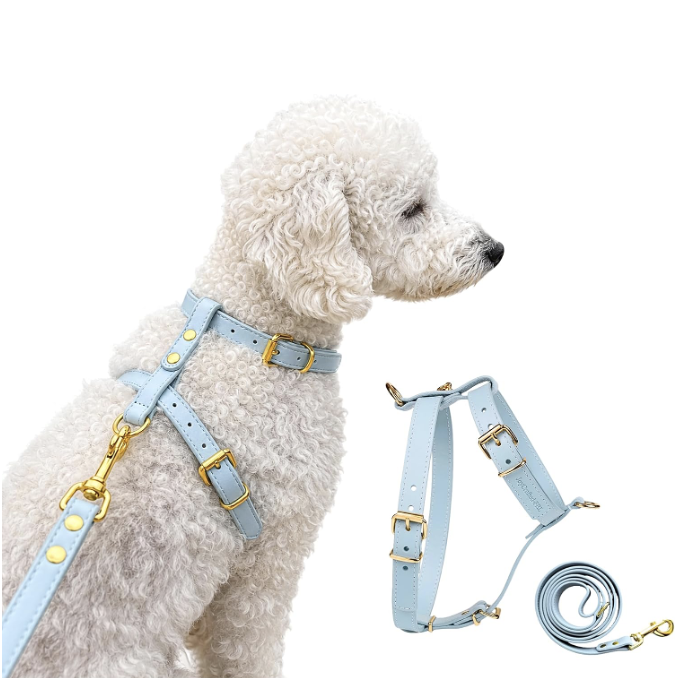


Large Pet Harnesses
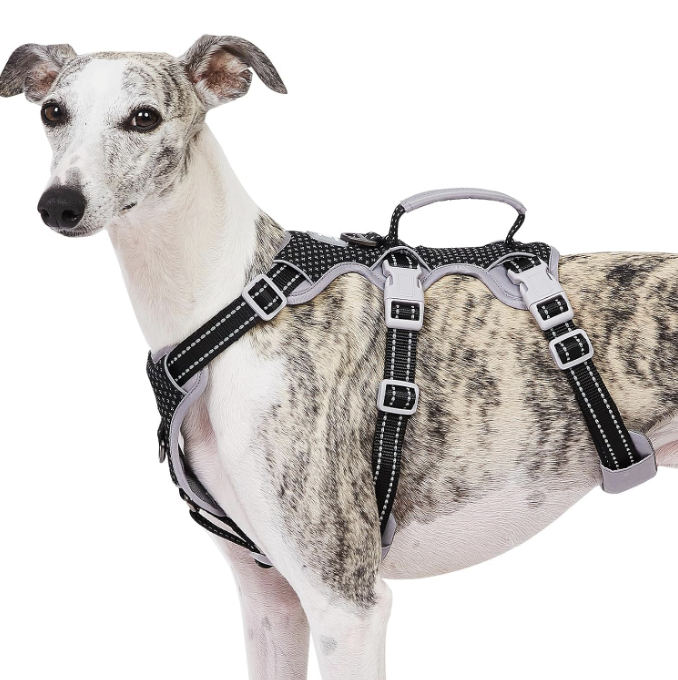
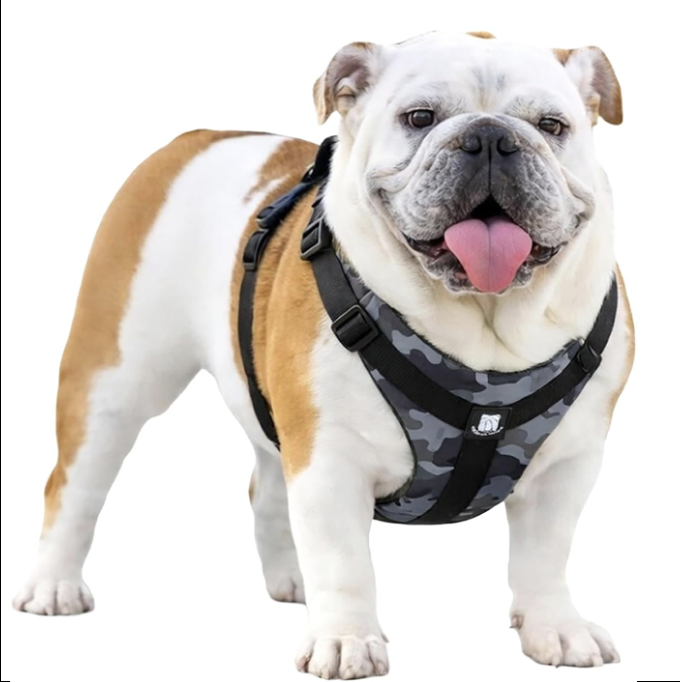
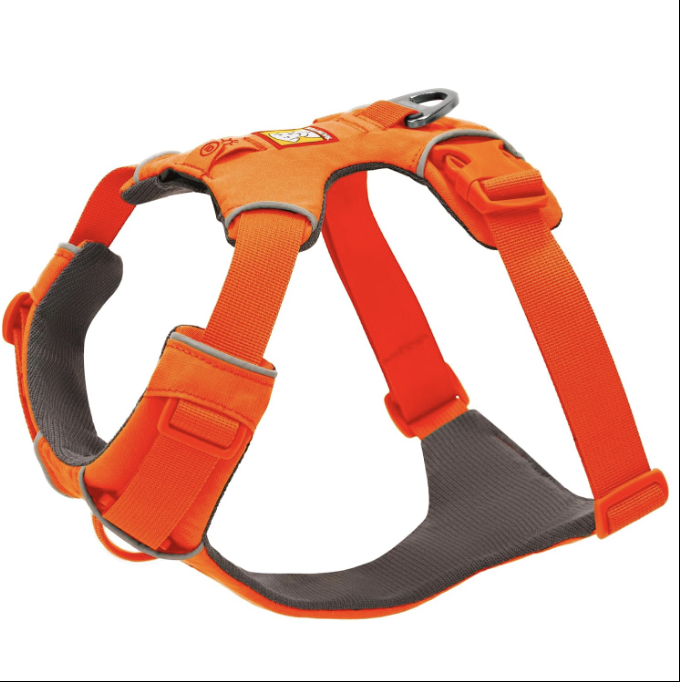
Large dog harnesses are designed for breeds including Greyhounds, English Bulldogs, Labrador Retrievers, Golden Retrievers, Boxers, Standard Poodles, Weimaraners, and Dalmatians. Explore adjustable, padded, no-pull, step-in, and escape-resistant harnesses with sturdy hardware, breathable materials, and reflective details. Choose a harness based on your dog’s chest measurements, body shape, activity level, and walking habits, with special attention to broad-chested or deep-chested breeds.
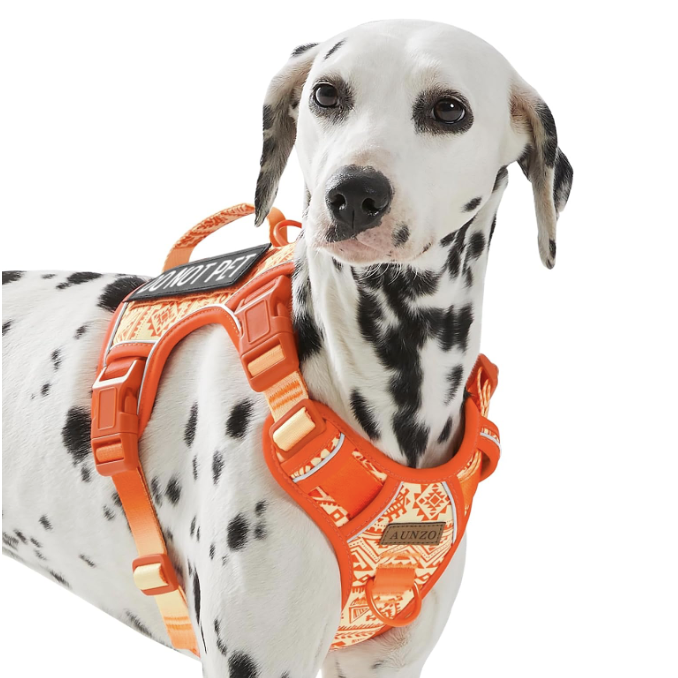
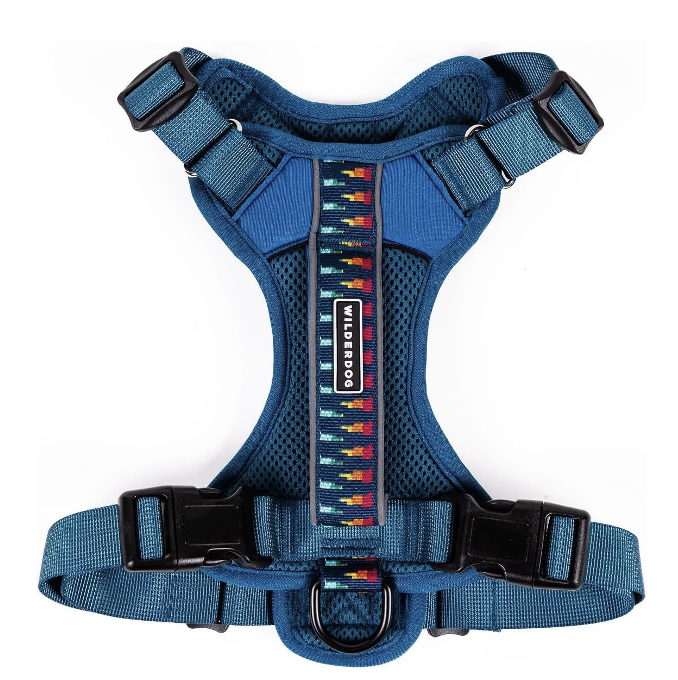

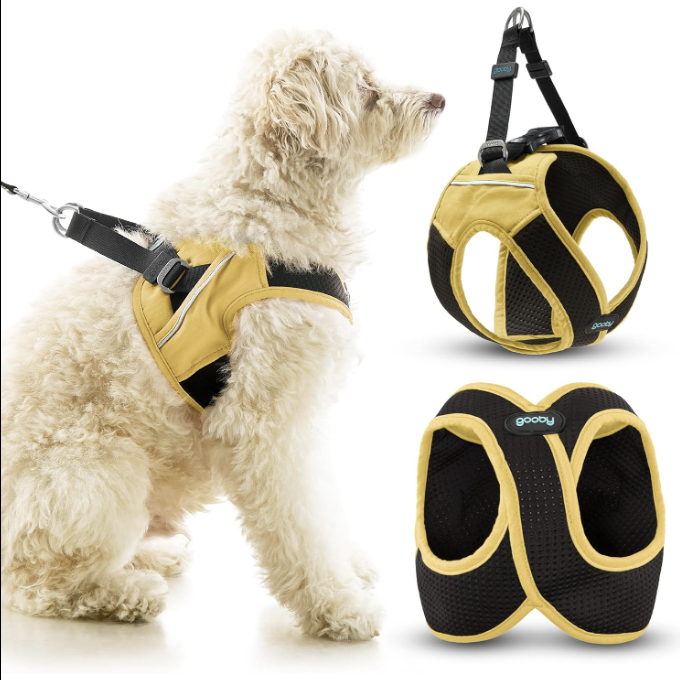

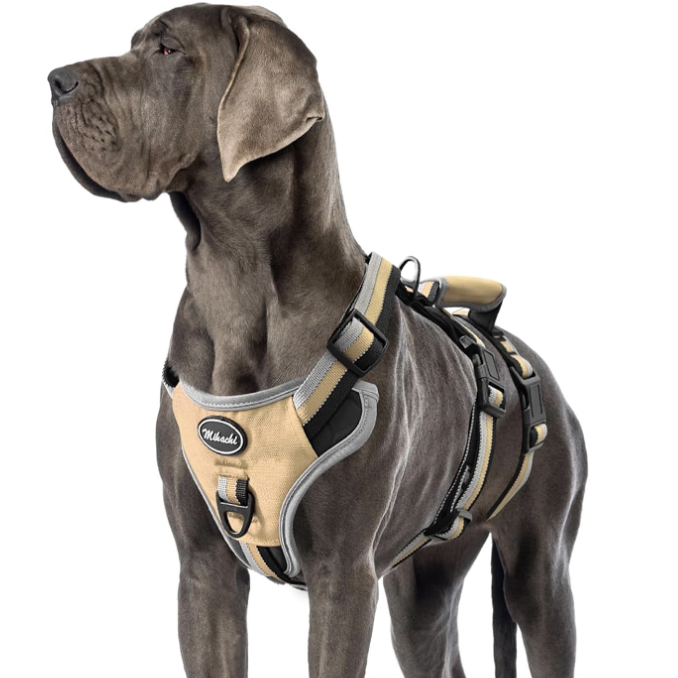
X-Large Pet Harnesses | Giant | Great Dane |
XL and giant dog harnesses are designed for large, powerful breeds, including Great Danes, Mastiffs, Rottweilers, German Shepherds, Saint Bernards, Newfoundlands, and Great Pyrenees. Explore adjustable, padded, no-pull, step-in, and heavy-duty harnesses with reinforced stitching, sturdy hardware, and reflective details. Choose a harness based on your dog’s chest measurements, body shape, strength, and walking habits for the best fit, comfort, and control.
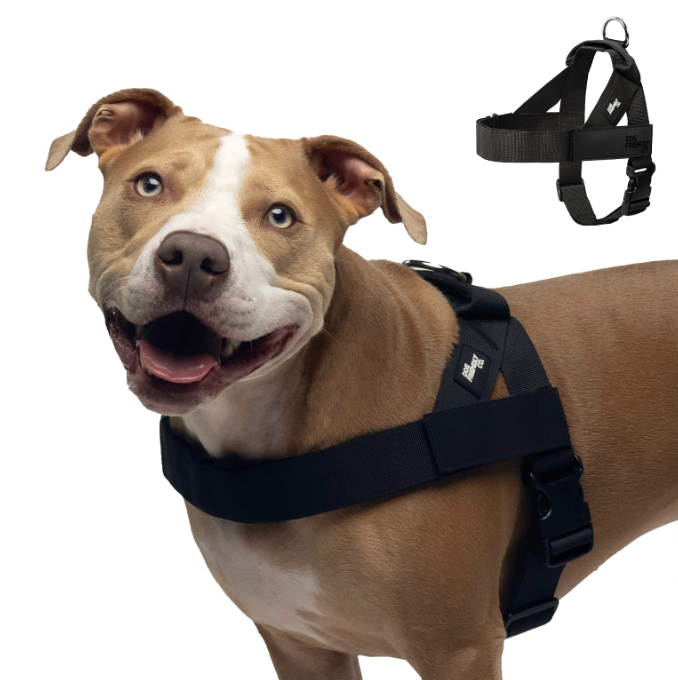
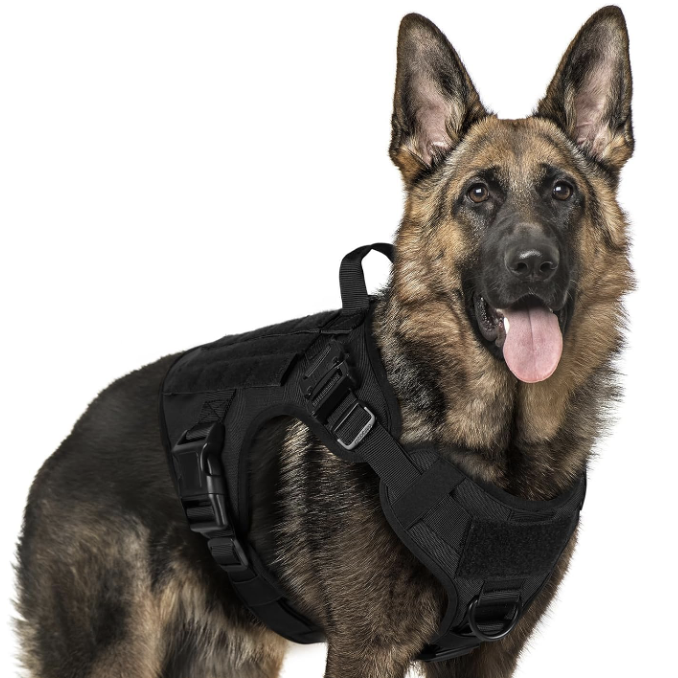
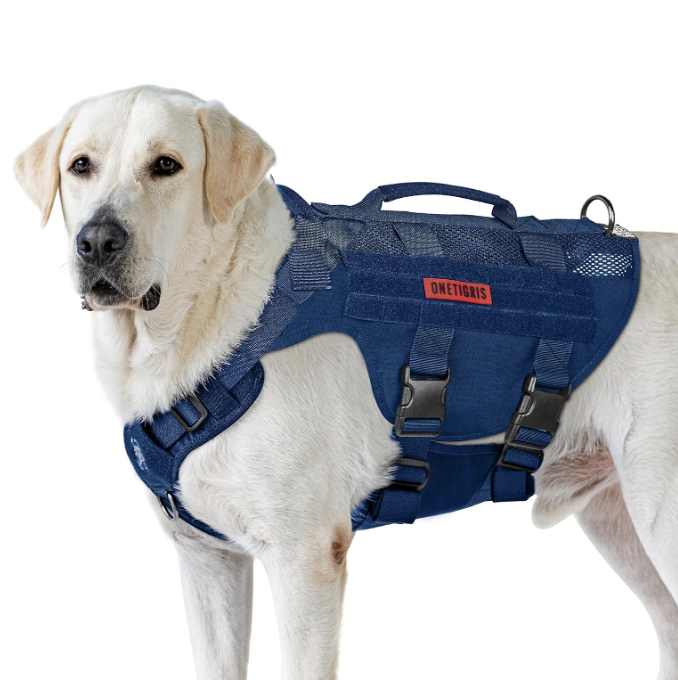


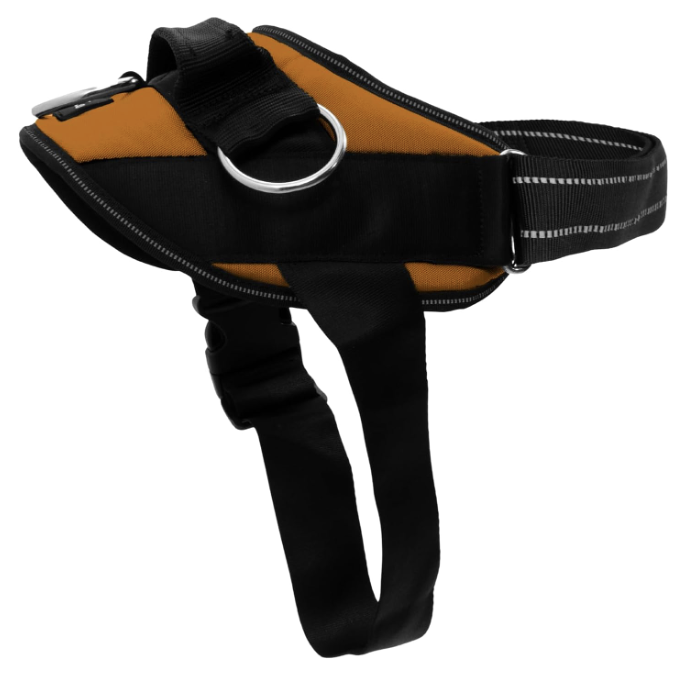
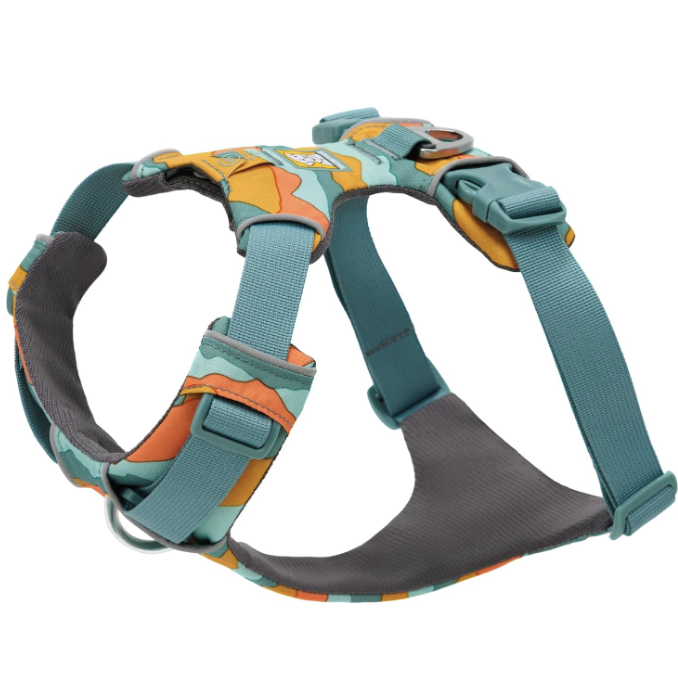
Black Pet Harnesses | Harnesses by type
Not only can a dog take a walk, but why not the family chicken, cat or rabbit. We love these options for giving your pet the freedom to take a walk.


Red Pet Harnesses


Pink Pet Harnesses


Orange Pet Harnesses


Yellow Pet Harnesses


Green Pet Harnesses


Turquoise Pet Harnesses


Blue Pet Harnesses


Purple Pet Harnesses


Brown Pet Harnesses


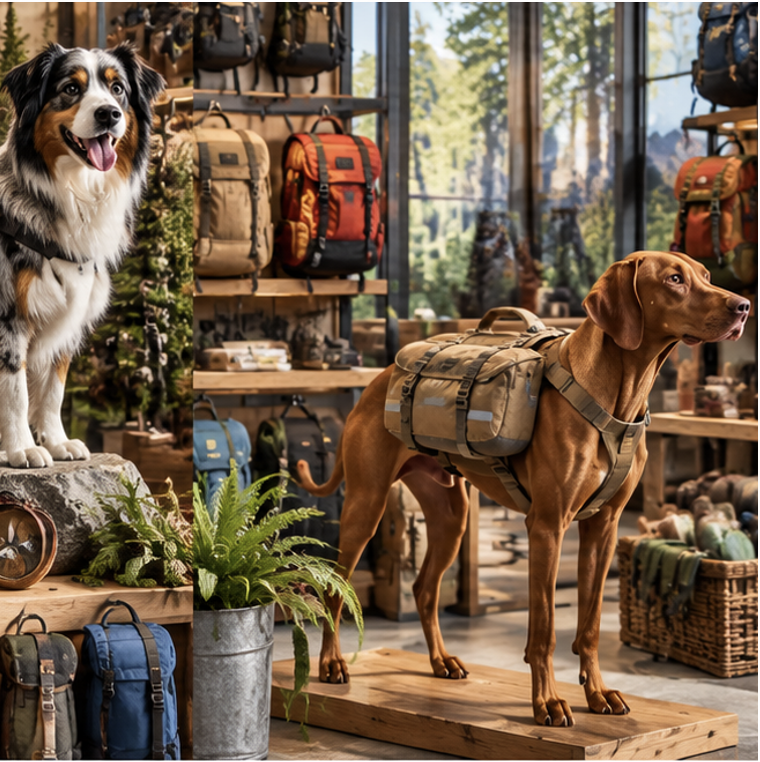
Harnesses With Saddlebags and Backpacks



Is A Harness Right For Your Pet?
Harnesses are a more comfortable option for most dog breeds for long walks, safety and to present any important details.

CHOOSE WHERE YOU WANT TO GO NEXT!
OR GET TO KNOW US BETTER